
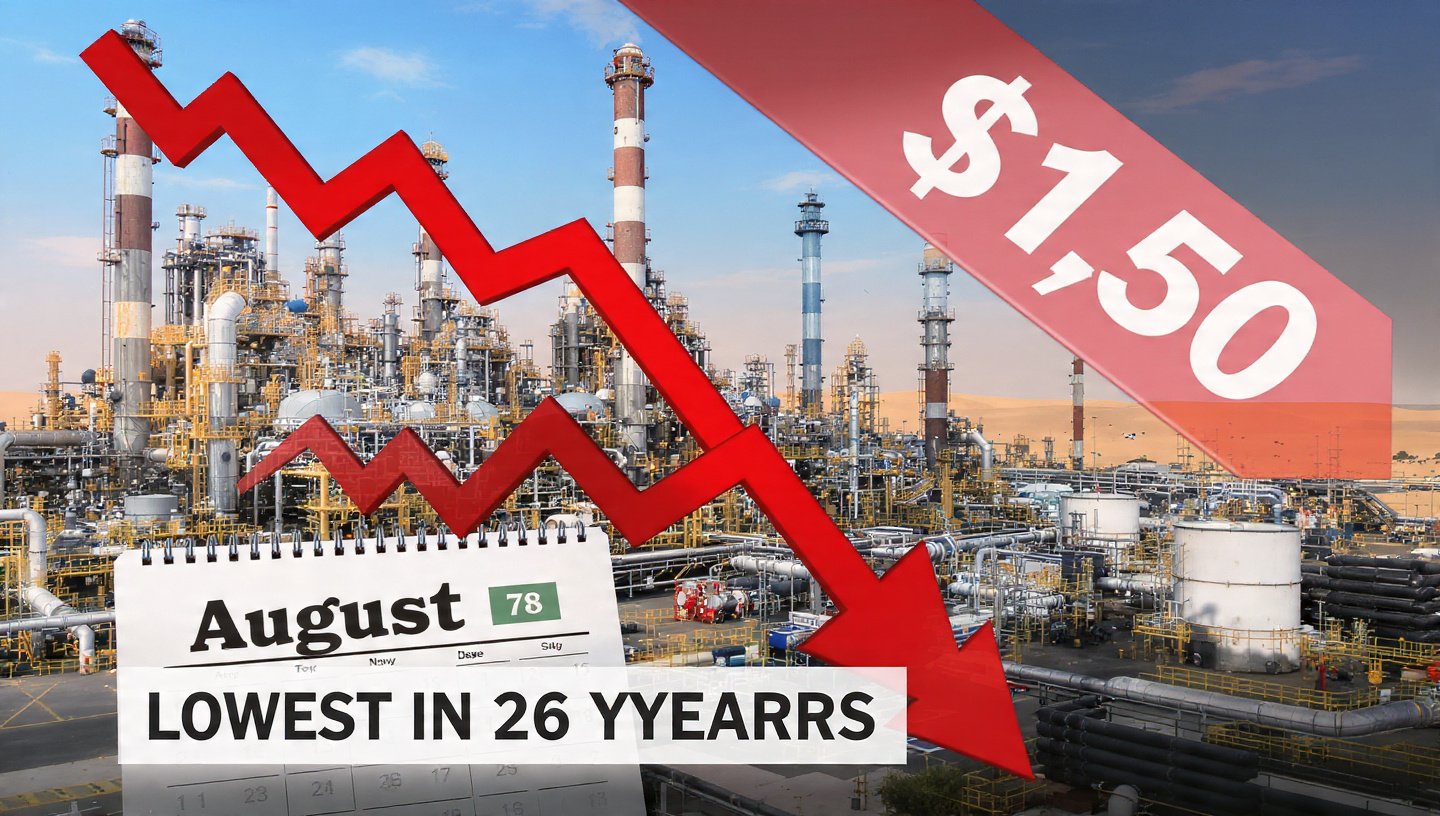
Saudi Arabia has announced its biggest monthly reduction in oil prices for Asian buyers in more than two decades, cutting the official selling price (OSP) of its flagship crude by $1.50 per barrel for August deliveries. The move marks the lowest pricing level for Asia in 26 years and reflects growing concerns about weakening global demand and increasing competition among major oil exporters.
The price cut comes as global crude markets continue to face uncertainty. Slower economic growth in key Asian economies, including China, has reduced fuel demand, while increased oil production from several countries has added more supply to international markets. As the world’s largest oil exporter, Saudi Arabia is aiming to maintain its market share by offering more competitive prices to its biggest customers in Asia.
Industry analysts believe the decision could encourage higher crude imports by Asian refiners, many of whom have been seeking lower-cost supplies amid fluctuating refining margins. The price adjustment is also expected to intensify competition with other major exporters, including Russia, Iraq, and the United Arab Emirates, all of which have been targeting Asian buyers.
The announcement may place additional pressure on global oil prices, which have remained volatile in recent months due to geopolitical tensions, changing production policies, and concerns over the pace of the global economic recovery. Lower Saudi prices could influence purchasing decisions across the region and potentially affect the pricing strategies of other oil-producing nations.
Energy experts say the reduction signals Saudi Arabia’s willingness to prioritize long-term customer relationships and preserve export volumes despite softer demand. The move will be closely watched by traders, investors, and policymakers, as it could shape oil market dynamics in the coming months.
With Asia accounting for the largest share of Saudi crude exports, the August price cut is seen as a strategic step to strengthen the kingdom’s position in its most important energy market while responding to changing global economic conditions.
