
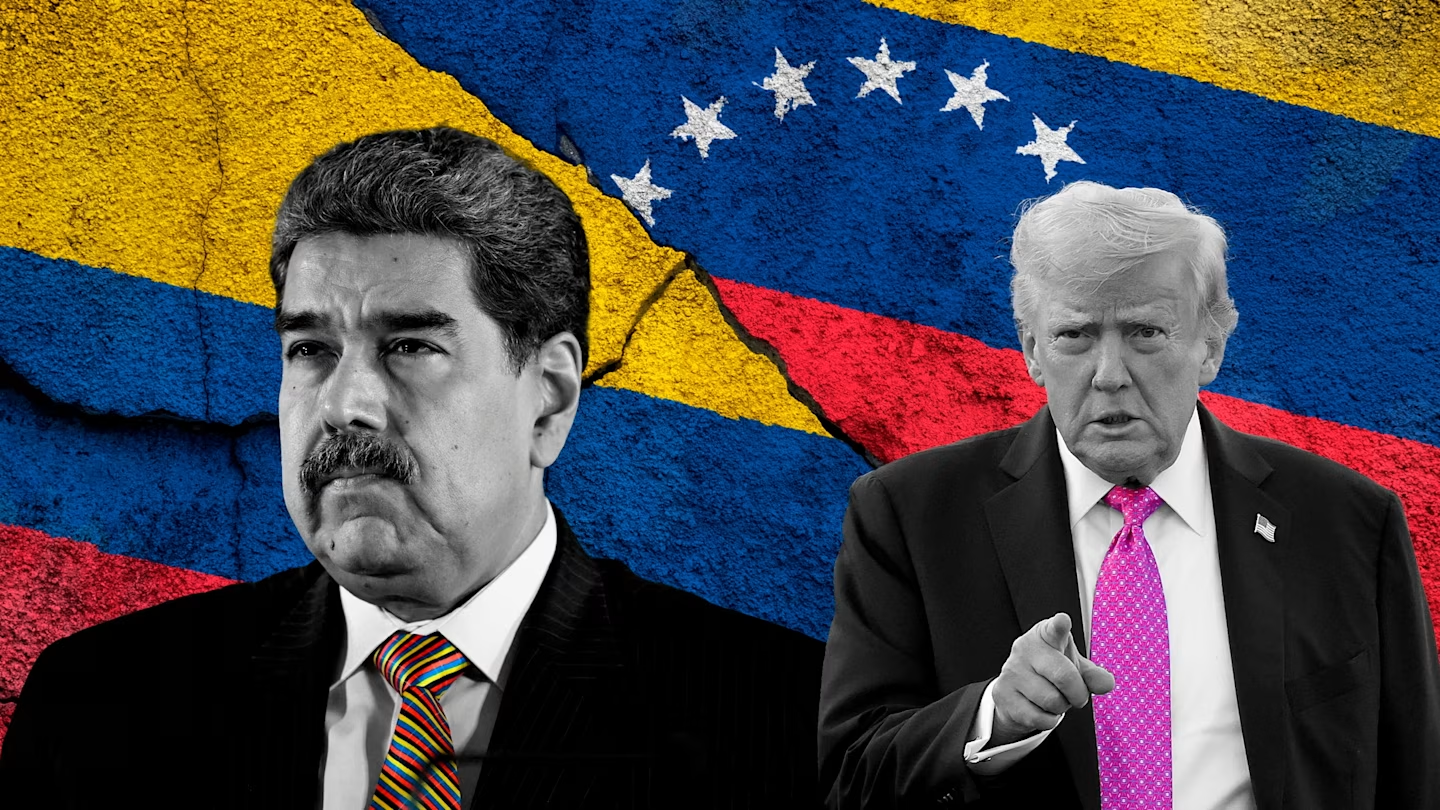
Venezuela and the United States have reached a deal that could see up to $2 billion worth of Venezuelan crude oil exported to the U.S., a move that marks a significant shift in energy ties between Caracas and Washington. The announcement was made by U.S. President Donald Trump and has drawn attention around the world.
Under the agreement, between 30 million and 50 million barrels of Venezuelan oil, much of it currently tied up in storage due to export constraints, will be redirected to U.S. ports. The plan is to sell the oil at market prices, with the U.S. government overseeing how the proceeds are used. U.S. Energy Secretary Chris Wright has been tasked with managing the execution of the deal.
The deal comes amid broader tensions between Venezuela and the U.S., including recent political developments in Caracas. Venezuela had been selling most of its oil to China, its largest buyer for more than a decade, but this agreement would shift some supply away from the Asian market and into the U.S. energy system.
The U.S. industry is expected to benefit from the increased supply, particularly Gulf Coast refineries that are equipped to process Venezuela’s heavy crude. At the same time, the move is seen as a way for Venezuela to avoid deeper production cuts after years of sanctions and logistical challenges.
Current oil exports to the U.S. are controlled mainly by Chevron, which has been authorised to ship Venezuelan crude in recent months. The new deal may expand these flows and open further avenues for U.S. buyers.
Analysts say this development could influence global crude pricing, ease supply for American refiners, and offer Venezuela a critical outlet for its oil amid ongoing sanctions and market shifts.
