
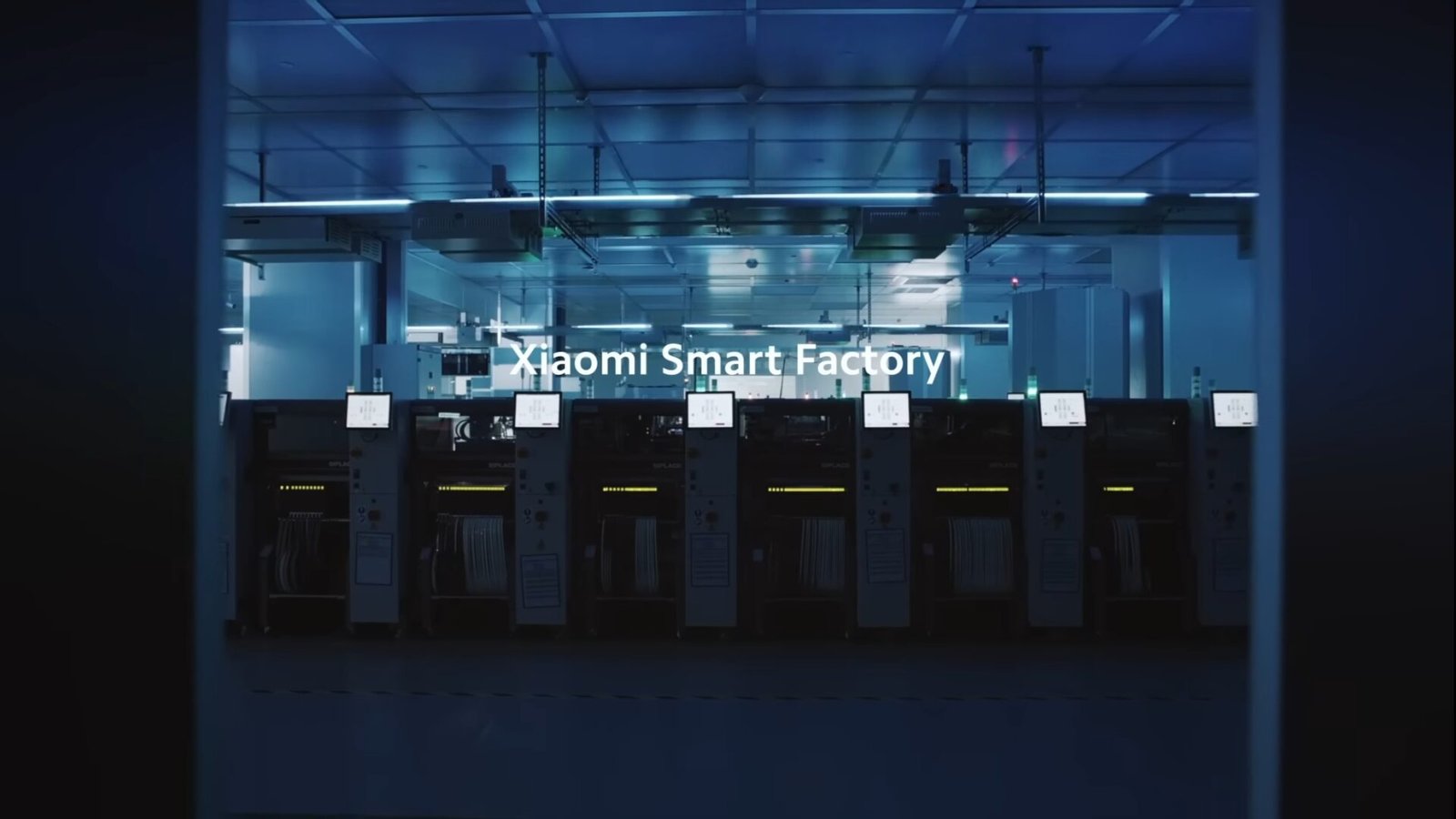
Xiaomi has unveiled a fully automated “dark factory” in China, marking a major step forward in smart manufacturing. Located in Changping, the facility spans around 96,900 square yards and operates 24 hours a day without human workers or traditional lighting, relying entirely on machines and automated systems.
The factory uses advanced robotics, artificial intelligence, machine vision, and automated logistics to produce smartphones at an impressive pace. According to company sources, the facility can manufacture one smartphone every second, highlighting the scale and efficiency of the operation. With no need for human presence on the production floor, the factory can run continuously with minimal downtime.
Xiaomi says the goal of the dark factory is to reduce human error, improve product consistency, and lower operational costs. Automated quality control systems inspect devices in real time, while AI powered processes manage production flow and detect faults early. This allows the company to maintain high standards while increasing output.
The Changping facility is also designed to be flexible, allowing production lines to be adjusted quickly for new models. This is especially important in the fast moving smartphone market, where shorter product cycles demand quicker manufacturing responses.
Industry experts view Xiaomi’s move as part of a broader shift toward intelligent manufacturing across the global tech sector. As labor costs rise and competition intensifies, companies are increasingly turning to automation and AI to stay competitive.
While the dark factory sets a new benchmark for consumer electronics manufacturing, it also raises questions about the future of factory jobs. As automation becomes more widespread, manufacturers and policymakers may need to address workforce transitions and reskilling.
Xiaomi’s Changping dark factory highlights how advanced technology is reshaping modern manufacturing and redefining how consumer electronics are made.
