
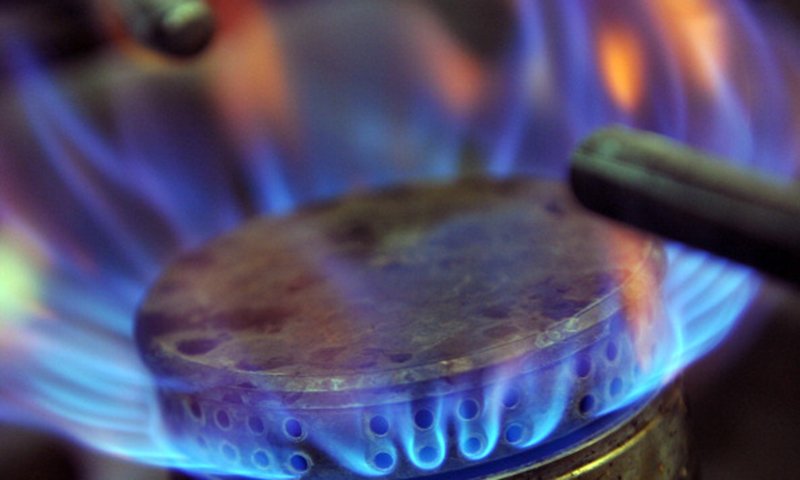
Pakistan is facing a growing gas shortage even though it relies on imported liquefied natural gas (LNG) to meet its energy needs. The situation has worsened in recent weeks due to global supply disruptions linked to rising tensions in the Gulf region.
Pakistan depends heavily on LNG imports from countries like Qatar and the United Arab Emirates. However, reports suggest that shipments from these countries have been affected. In particular, supply issues increased after production problems and conflict-related disruptions in key exporting regions.
At the start of 2026, Pakistan had an LNG surplus because demand was lower during the winter season. But the situation changed quickly. As global supply tightened and shipments slowed down, the surplus turned into a shortage, putting pressure on the country’s energy system.
The gas shortfall is already affecting industries, power generation, and households. Many factories are facing reduced gas supply, which may impact production and exports. At the same time, electricity generation is also under strain, as gas is a key fuel for power plants.
Pakistan is one of the most exposed countries because of its reliance on imported LNG and limited local gas reserves. The government may need to look for alternative energy sources or new supply agreements to manage the crisis.
If the global situation does not improve soon, the energy shortage could become more serious in the coming months.
