
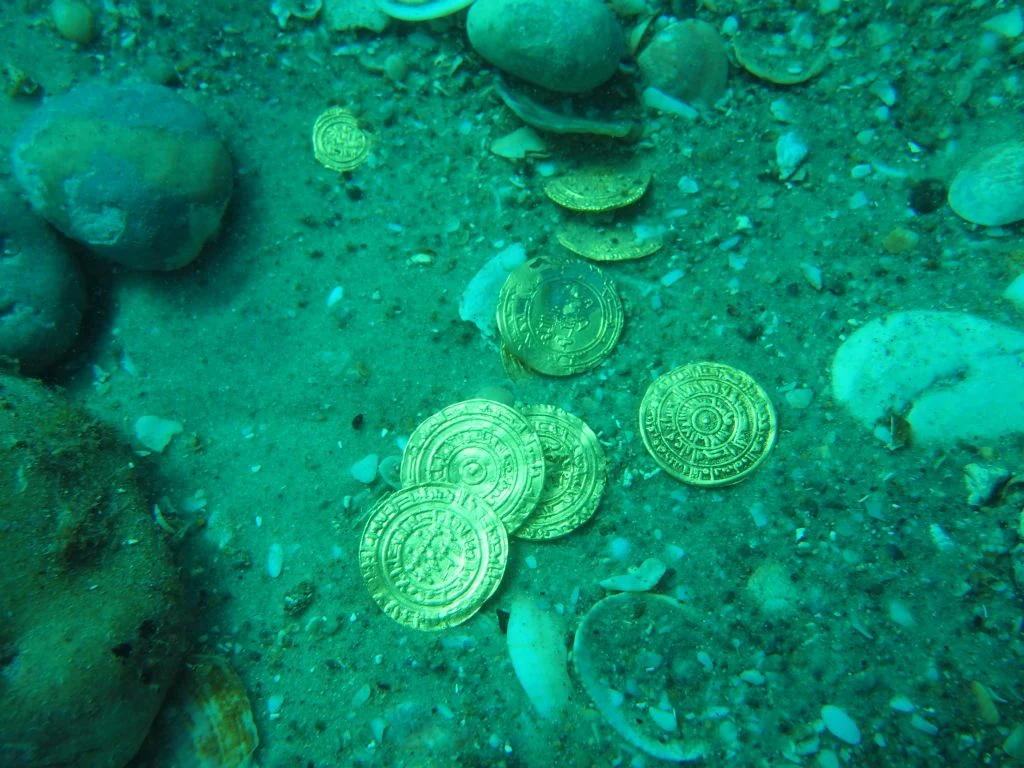
China has announced the discovery of Asia’s largest undersea gold deposit, a major development in the country’s mineral exploration efforts. The deposit was found off the coast of the Jiaodong Peninsula, near Laizhou city in Yantai, located in Shandong province.
According to Chinese authorities, this discovery has significantly increased Laizhou’s proven gold reserves. The city now holds more than 3,900 tonnes of gold, equal to about 137.5 million ounces. This amount represents nearly 26 percent of China’s total gold reserves, strengthening Laizhou’s status as the country’s leading gold producing region.
Although officials have not disclosed the exact size of the newly discovered undersea deposit, experts say it is one of the most important offshore mineral findings in Asia. The discovery further confirms Yantai’s role as China’s top city for gold reserves and production, a position it has held for several years due to large onshore mining operations.
The undersea gold find reflects China’s growing focus on expanding domestic mineral resources. Since 2021, the country has invested nearly 450 billion yuan in mineral exploration projects. These efforts aim to reduce reliance on imports and secure long term access to strategic resources.
Mining specialists say undersea extraction is complex and costly, requiring advanced technology and strict environmental safeguards. However, China’s experience in deep-sea engineering is expected to play a key role in developing the deposit responsibly.
The discovery is seen as a boost for China’s mining sector and economy. It may also influence global gold markets, as increased reserves can strengthen China’s position as one of the world’s leading gold producers.
Overall, the find highlights China’s expanding capabilities in geological research and resource development.
