
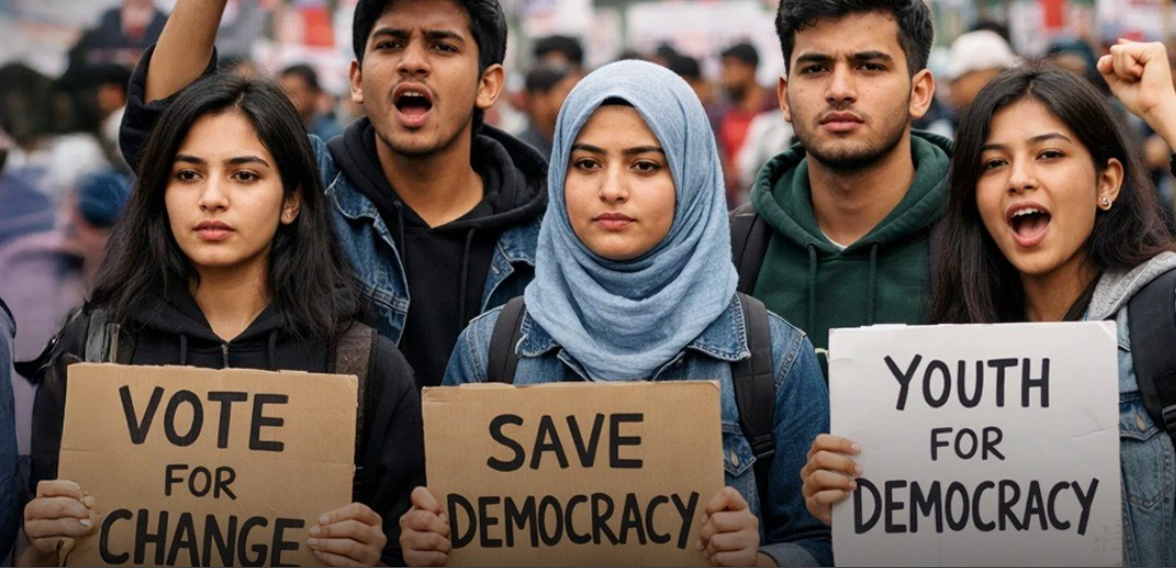
Bangladesh has kicked off what is being called the world’s first Gen Z-influenced national election, with young voters playing a decisive role alongside traditional concerns over corruption, rising living costs, and unemployment.
First-time voters are expected to have a major impact on the outcome, reflecting the priorities and aspirations of the country’s younger generation.
The Bangladesh Nationalist Party (BNP), led by Tarique Rahman, is widely seen as the frontrunner in this election. They are facing strong competition from a Jamaat-led coalition, which has gained additional momentum through support from a newly formed Gen Z political party.
Political analysts say this is the most competitive vote in Bangladesh since 2009, as both traditional and youth-focused parties vie for influence.
First-time voter Mohammad Rakib expressed hope that the new government would ensure greater freedom of expression and encourage citizen participation. Many young voters are particularly concerned about issues such as access to education, employment opportunities, and government transparency.
Their engagement could reshape the political landscape in Bangladesh, making youth-oriented policies a priority for the next administration.
Observers note that the election’s outcome may have wider regional implications, influencing relations with major powers like China and India. Given Bangladesh’s strategic location and growing economic importance, international stakeholders are watching closely to understand how a Gen Z-led political shift could affect trade, diplomacy, and regional stability.
As polling continues, the world is closely monitoring Bangladesh’s experiment with youth-driven democracy. The election may set a benchmark for how the voices of younger generations can influence national politics in countries across Asia and beyond.
