
Every time petrol prices rise in Pakistan, the conversation returns to the same familiar themes: inflation, transport costs, and the pressure on household budgets. The latest surge; pushing petrol prices to around Rs321 per litre has once again exposed how deeply Pakistan’s mobility ecosystem depends on imported fuel.
For millions of motorists, especially those driving mid-size SUVs, the impact is immediate.
A typical petrol-powered C-segment SUV averages around 10 kilometres per litre. At current fuel prices, that translates into a running cost of approximately Rs32 per kilometre. For a commuter travelling 50 kilometres a day, fuel alone can exceed Rs1,600 daily, turning routine mobility into a major household expense.
Hybrid vehicles were once seen as the obvious solution to this problem. By combining an internal combustion engine with an electric motor, hybrids improve fuel efficiency and reduce petrol consumption. A conventional hybrid SUV delivering about 18 kilometres per litre reduces the cost to roughly Rs17.8 per kilometre.
Yet hybrids remain tied to the same fundamental vulnerability: petrol. When fuel prices rise, hybrid owners still feel the shock. Their savings shrink, but the exposure remains.
Newer technologies, however, are beginning to reshape the economics of driving, the plug-in hybrid electric vehicle (PHEV) & Range Extended EV (REEV).
Unlike conventional hybrids, PHEVs can run entirely on electricity for meaningful distances before the petrol engine kicks in. PHEVs are ideal urban mobility as for daily city commuting, many drivers may rarely use petrol at all. REEVs on the other hand run on battery and eliminate range anxiety by charging the battery through an engine on the go.
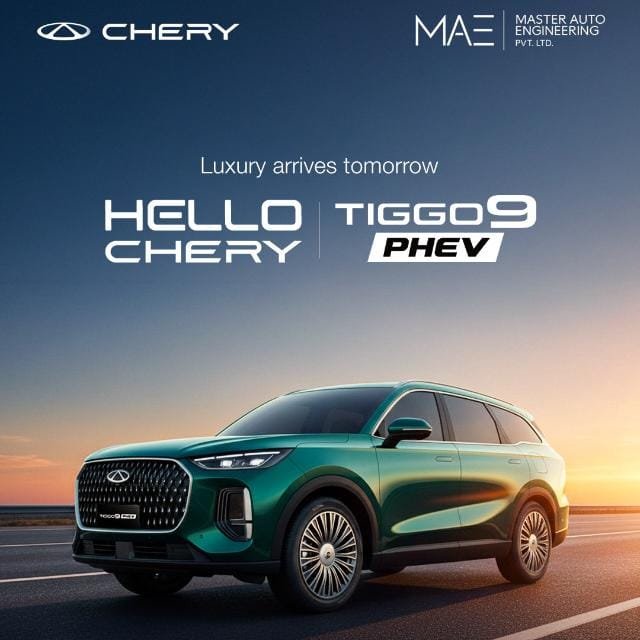
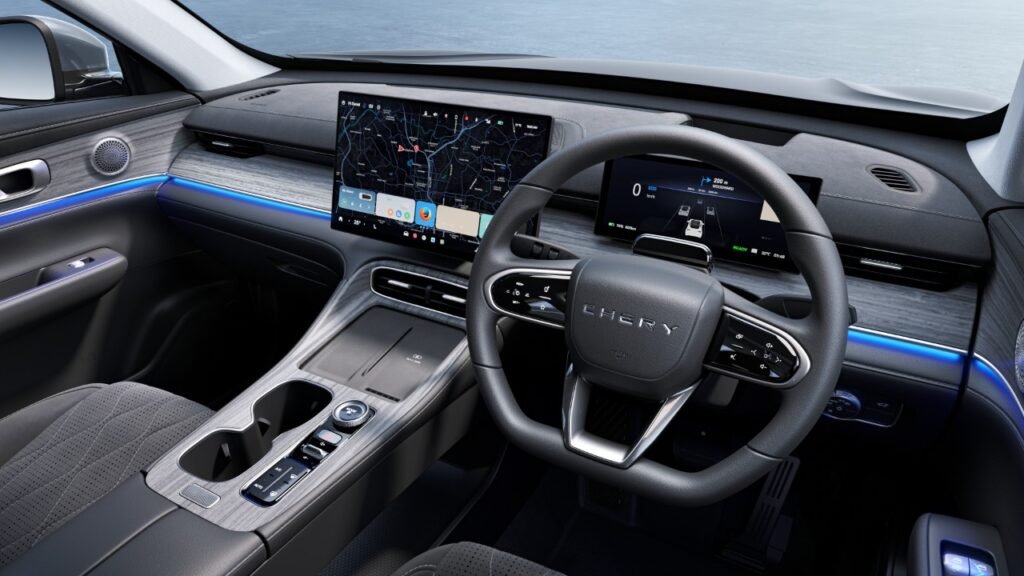
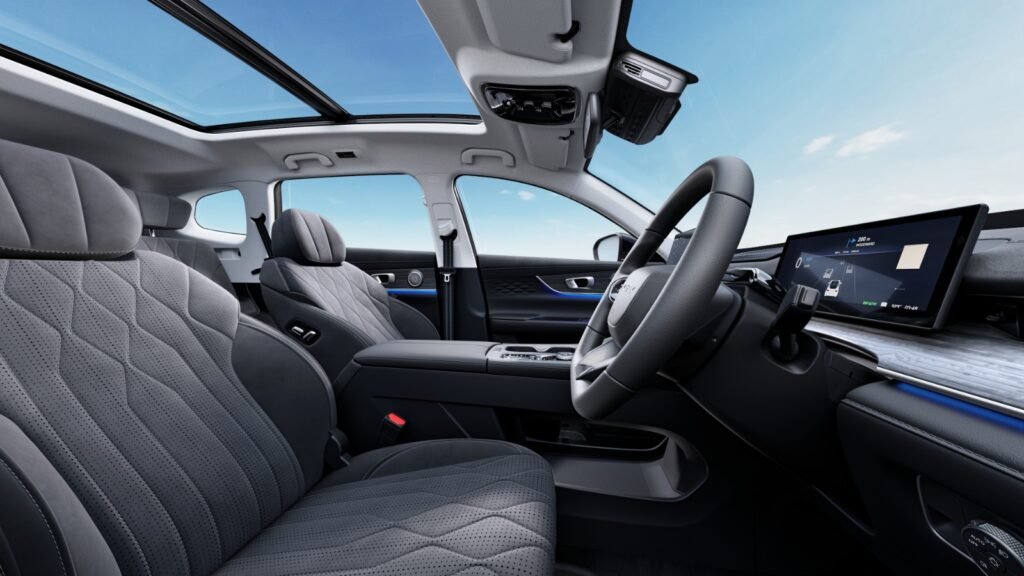
Consider the example of the Chery Tiggo 9 PHEV, one of the latest plug-in hybrid SUVs entering global markets. Equipped with a 34.46 kWh battery, it can deliver an electric driving range of approximately 170 kilometres under standard testing cycles.
When charged at home using residential electricity priced around Rs50 per kWh, a full charge costs just over Rs1,720. Spread across the vehicle’s electric range, the operating cost comes to roughly Rs10 per kilometre.
In simple terms, running such a vehicle on electricity is more than three times cheaper than running a petrol SUV.
The economics become even more compelling when solar energy is considered.
Pakistan has witnessed an unprecedented surge in rooftop solar installations over the past two years as households seek protection from rising electricity tariffs and unreliable grid supply.
For many solar-equipped homes, the marginal cost of electricity can fall close to Rs10 per kWh.
Under those conditions, charging the same plug-in hybrid costs roughly Rs345, bringing the running cost down to about Rs2 per kilometre.
The contrast with petrol vehicles is stark.
Compared with a conventional petrol SUV, a plug-in hybrid operating on home electricity can save around Rs22 per kilometre. When charged using solar power, the savings rise to over Rs30 per kilometre. Even against traditional hybrids, plug-in vehicles maintain an advantage of Rs8 to Rs12 per kilometre respectively.
REEVs like Deepal SO5 save more up to Rs 30 per KM against petrol and up to Rs 16 per KM against hybrids.
Over a year, the difference becomes transformative.
A driver covering 20,000 kilometres annually in a petrol SUV could easily spend over Rs640,000 on fuel. A hybrid might reduce that to around Rs356,000. But a plug-in hybrid operating mostly on electricity could bring the annual cost down to roughly Rs200,000, and potentially as low as Rs40,000 when solar charging is available.
These numbers do more than illustrate consumer savings; they point to a broader national opportunity.
Pakistan spends billions of dollars every year importing petroleum products, placing persistent pressure on foreign exchange reserves. Reducing fuel consumption in the transport sector would directly ease that burden.
At the same time, the rapid expansion of solar power across Pakistani households is quietly creating a new energy ecosystem, one in which electricity generated on rooftops can power mobility on the roads.
Plug-in hybrids & REEV sit precisely at the intersection of these trends.
They retain the long-distance flexibility of petrol vehicles while enabling drivers to complete most daily travel using electricity.
In countries where charging infrastructure is still evolving, this dual capability makes them a practical transitional technology between conventional engines and fully electric vehicles.
As global oil markets remain volatile and domestic energy costs continue to rise, the economic logic of mobility is shifting.
For policymakers, the question is no longer whether alternatives to petrol exist. It is whether fiscal and regulatory frameworks will evolve quickly enough to support them.
For motorists, however, the calculation is already becoming clear.
When petrol costs Rs321 per litre, the arithmetic of driving begins to favour plug-ins. And for a growing number of vehicles on Pakistan’s roads, that shift may already be underway.
