
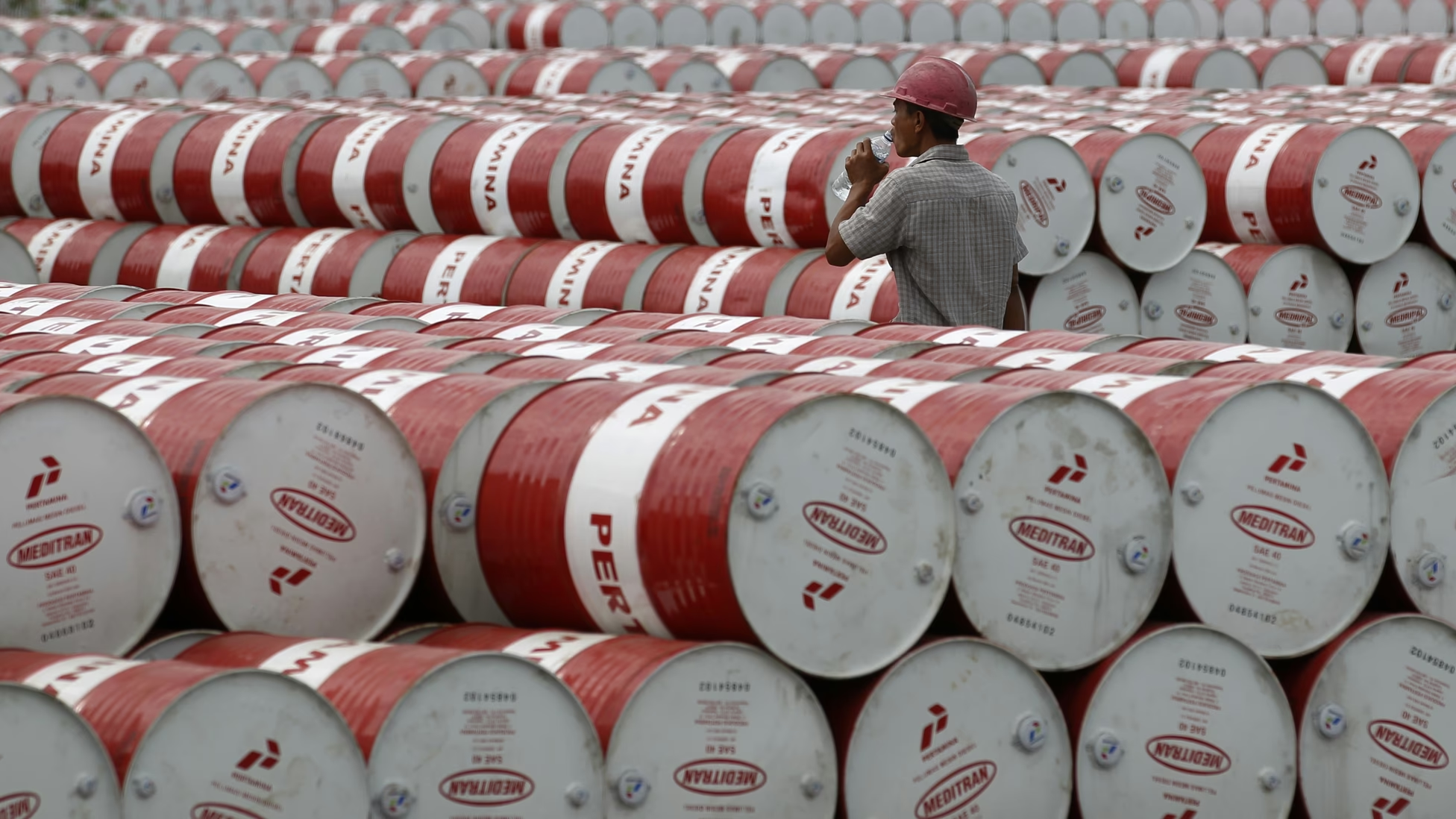
Global oil prices have dropped to around $90 per barrel after former US President Donald Trump claimed that ceasefire talks are taking place with Iran. The statement has raised hopes of reduced tensions in the Middle East, which is a key region for global oil supply.
Oil markets often react quickly to political developments, especially in areas that produce large amounts of crude oil. When there are fears of conflict, prices usually rise due to concerns over supply disruption. But when there is news of possible peace talks, prices tend to fall as the risk to supply decreases.
The recent drop shows that traders believe there could be less pressure on oil exports if tensions ease. The Middle East plays a major role in global energy markets, and any conflict in the region can impact shipping routes and production levels.
However, the situation remains unclear. While Trump has spoken about ongoing talks, Iranian officials have denied that any ceasefire discussions are happening. This has created uncertainty in the market, as investors are unsure which direction the situation will take.
Oil prices may continue to change in the coming days, depending on political updates. If tensions rise again, prices could increase. But if talks move forward and stability improves, oil prices may stay lower for a longer period.
