
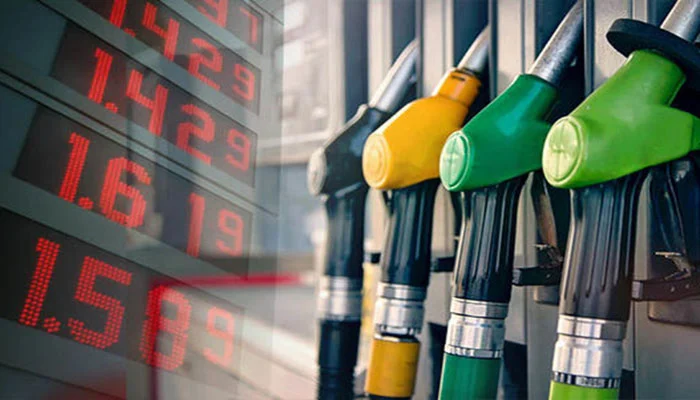
The government of Pakistan has increased the levy on high-octane fuel from Rs. 100 to Rs. 300 per litre. The decision was approved by Prime Minister Shehbaz Sharif during a high-level meeting focused on fuel pricing and public relief measures.
High-octane fuel is mostly used in luxury and high-performance vehicles. Officials said the increase is aimed at placing more financial responsibility on wealthier citizens, instead of raising prices for regular petrol and diesel that are used by the general public.
The government has made it clear that this change will not affect public transport fares or airline ticket prices. This is important, as any increase in transport costs usually leads to higher prices of daily goods and services. By targeting only high-end fuel, the government hopes to control inflation and protect lower and middle-income groups.
According to officials, the increase in levy is expected to generate around Rs. 9 billion every month. These funds will be used for relief programs, including subsidies and other support for the public.
This move is part of broader efforts to manage economic pressure and increase revenue without burdening the majority of citizens. However, some experts believe that the long-term impact will depend on how effectively the additional funds are used for public benefit.
