
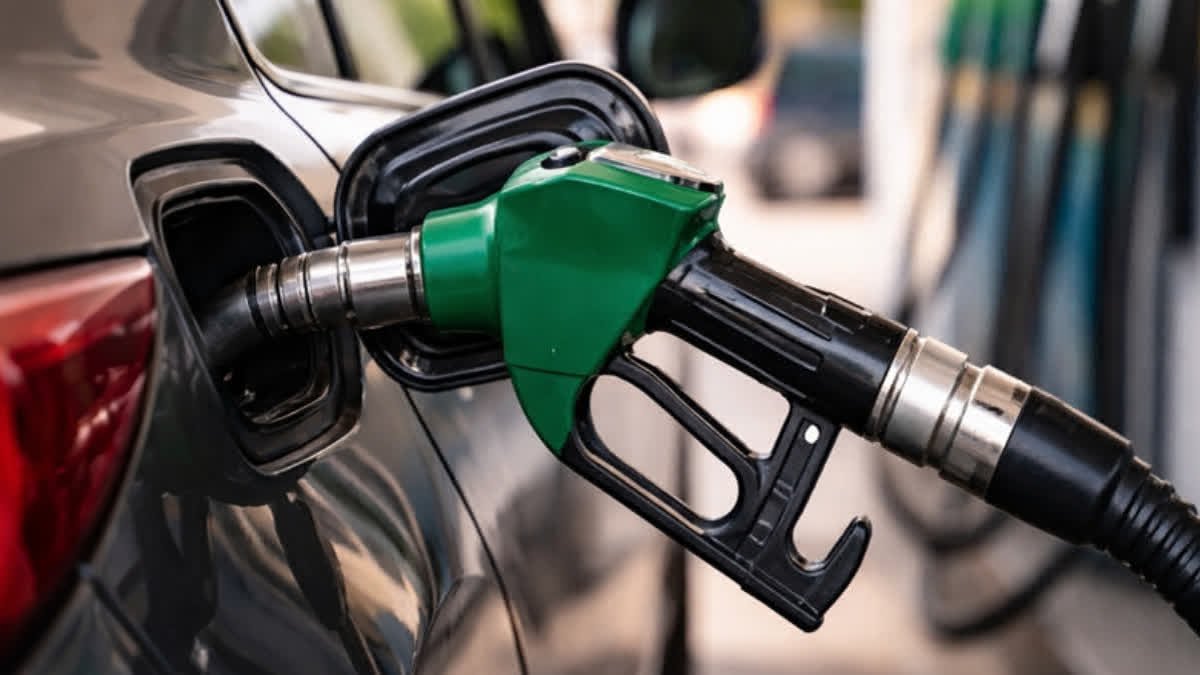
Consumers in Pakistan are paying a high extra cost for petrol. On every litre, people now pay more than Rs140 in government taxes, levies, and industry margins. This makes petrol one of the most taxed items in the country. These charges help the government collect money to meet its budget targets.
The price of petrol has many parts. The biggest is the Petroleum Levy (also called PDL). Other charges include customs duty, climate support levy, dealer margins, oil marketing company (OMC) margins, and inland freight equalization margin (IFEM). General Sales Tax (GST) on petrol is currently zero, but the fixed levies still add a large amount to the final price at the pump.
For example, in recent weeks, the total taxes and margins have been around Rs130 to Rs160 per litre, depending on the exact price revision. The actual cost of the fuel (ex-refinery or import parity) is much lower. But after adding all these charges, the retail price rises sharply. In April 2026, petrol prices even touched records near Rs458 per litre before some reductions.
Experts say these levies are an easy way for the government to earn revenue. However, high fuel prices increase the cost of transport, food, and daily goods. This adds to inflation and makes life difficult for common people, especially those who travel for work or run small businesses.
The government sometimes reduces the levy to give relief, but the overall burden remains high. People hope for more transparent pricing and lower taxes to ease the pressure on their pockets. Clear rules and fair margins can help balance government needs with public relief.
