
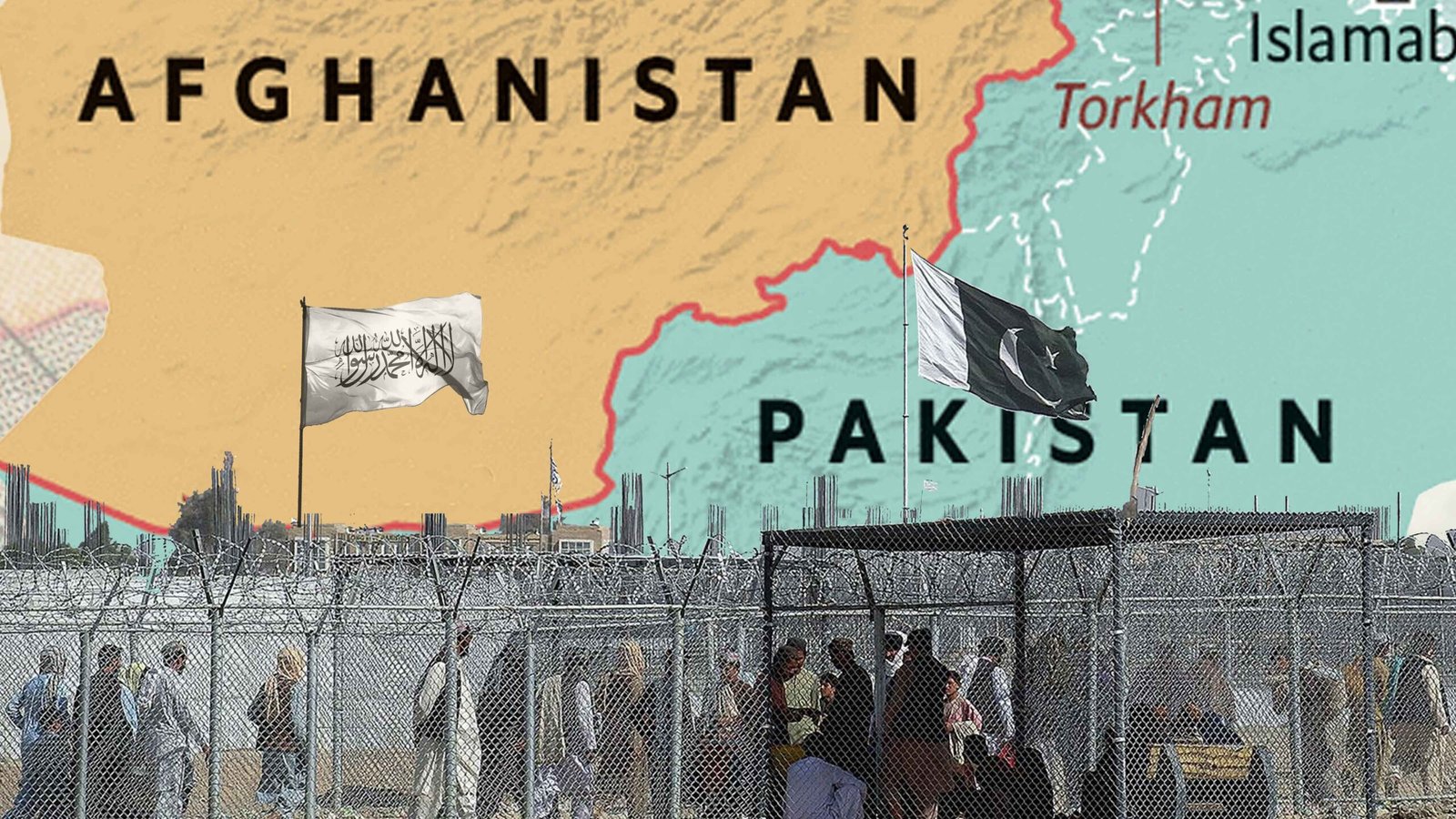
In a significant diplomatic development, Pakistan and Afghanistan have agreed to explore a comprehensive solution to their long-standing border conflict during China-hosted talks in Urumqi.
The week-long informal talks, held from April 1 to 7, 2026, involved mid-level delegations from both countries, including officials from foreign affairs, defence, and security. China acted as a mediator and provided the platform for candid and pragmatic discussions.
Both sides pledged not to take any actions that could escalate or complicate the situation further. They expressed willingness to continue dialogue for a durable ceasefire and to address cross-border terrorism and trade issues. China’s Foreign Ministry spokesperson, Mao Ning, described the talks as positive and said that both nations welcomed Beijing’s mediation role.
This breakthrough comes on the same day as the US-Iran ceasefire took effect, creating a wave of de-escalation efforts across the region. The Pakistan-Afghanistan conflict had intensified in recent months, resulting in hundreds of deaths and disruption of border trade and travel.
The agreement signals a renewed push toward stability through negotiations. Both countries are Muslim neighbours and have historically maintained close but sometimes tense relations. China has played an active role in bringing the two sides together.
While challenges remain, this step is seen as encouraging by regional observers. Further rounds of talks are expected soon as both nations work toward lasting peace and normalcy at the border.
