
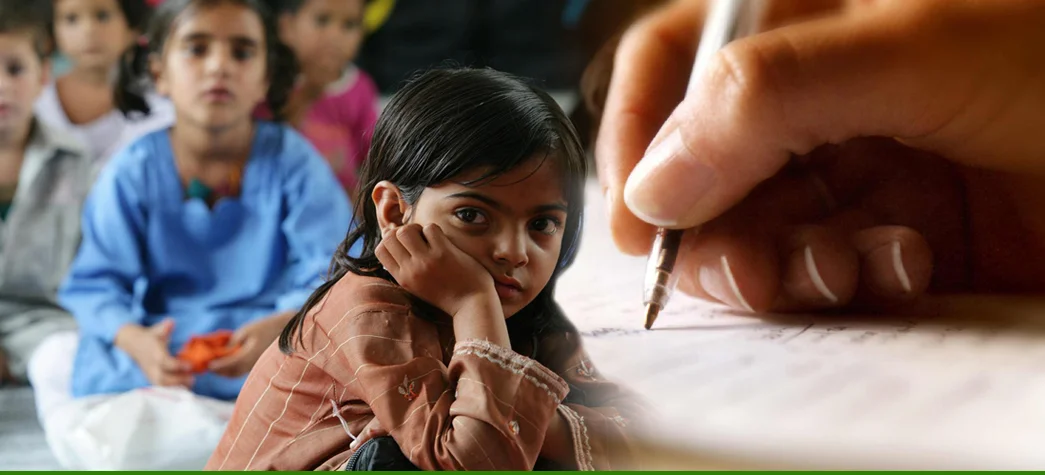
Pakistan continues to rank at the bottom in South Asia in terms of literacy, despite a slight improvement over recent years. A new review by the Free and Fair Election Network (FAFEN), based on Pakistan Social and Living Standards Measurement and Household Integrated Economic Survey (PSLM–HEIS) 2024–25 data, shows that the national literacy rate has reached 63 percent. This is only a three percent increase from 60 percent recorded six years ago.
Education experts and analysts have described this progress as worryingly slow. When compared with the regional average literacy rate of 78 percent, Pakistan lags far behind neighboring countries such as Sri Lanka, India, and Bangladesh. The growing gap highlights serious weaknesses in education planning, funding, and implementation.
The FAFEN review also points to deep inequalities within the country. Female literacy remains significantly lower than male literacy, especially in rural areas. Provincial disparities are also stark, with Balochistan recording the lowest literacy levels in the country. Limited access to schools, poverty, security concerns, and teacher shortages are among the key reasons behind these gaps.
The report stresses that Pakistan must take urgent action to meet its constitutional obligation under Article 25-A, which guarantees free and compulsory education for children aged 5 to 16 years. FAFEN has called for stronger policy reforms, increased education budgets, and better monitoring of education programs.
Experts warn that without serious investment and long-term planning, Pakistan risks falling further behind in human development. Improving literacy is essential not only for economic growth but also for reducing poverty, improving health outcomes, and strengthening democratic participation across the country.
