
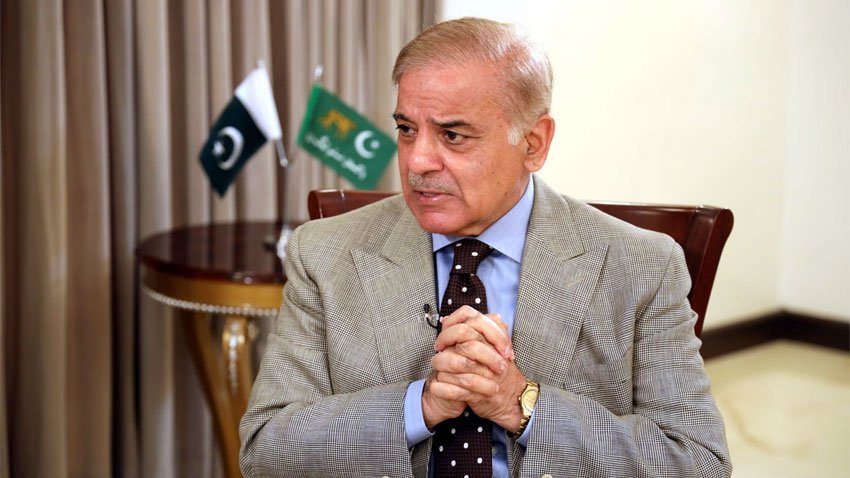
Prime Minister Shehbaz Sharif has announced a ban on the use of high-octane fuel in all government vehicles. The decision is part of the government’s austerity measures to reduce expenses amid rising global oil prices, which have been affected by tensions in the US, Israel, and Iran.
According to official statements, any government employee or official found using high-octane fuel will have to cover the cost personally. The move aims to ensure that public funds are used responsibly and to set an example of fiscal discipline.
The government clarified that this decision does not affect ordinary citizens. Regular vehicle fuel prices will remain unchanged, protecting the public from additional financial pressure. The ban applies only to official vehicles, including cars used by ministries, departments, and other state institutions.
Experts say the step could help the government save significant amounts on fuel expenses while promoting efficiency in official transport. Authorities have also encouraged departments to adopt fuel-efficient practices and limit unnecessary travel.
This decision comes as global oil prices continue to fluctuate due to geopolitical conflicts, putting pressure on national economies. By banning high-octane fuel in government vehicles, Pakistan aims to manage its fuel budget carefully while maintaining normal supply and prices for the general public.
Officials and citizens are urged to follow the new rules strictly to avoid penalties and support government efforts to manage resources effectively.
