
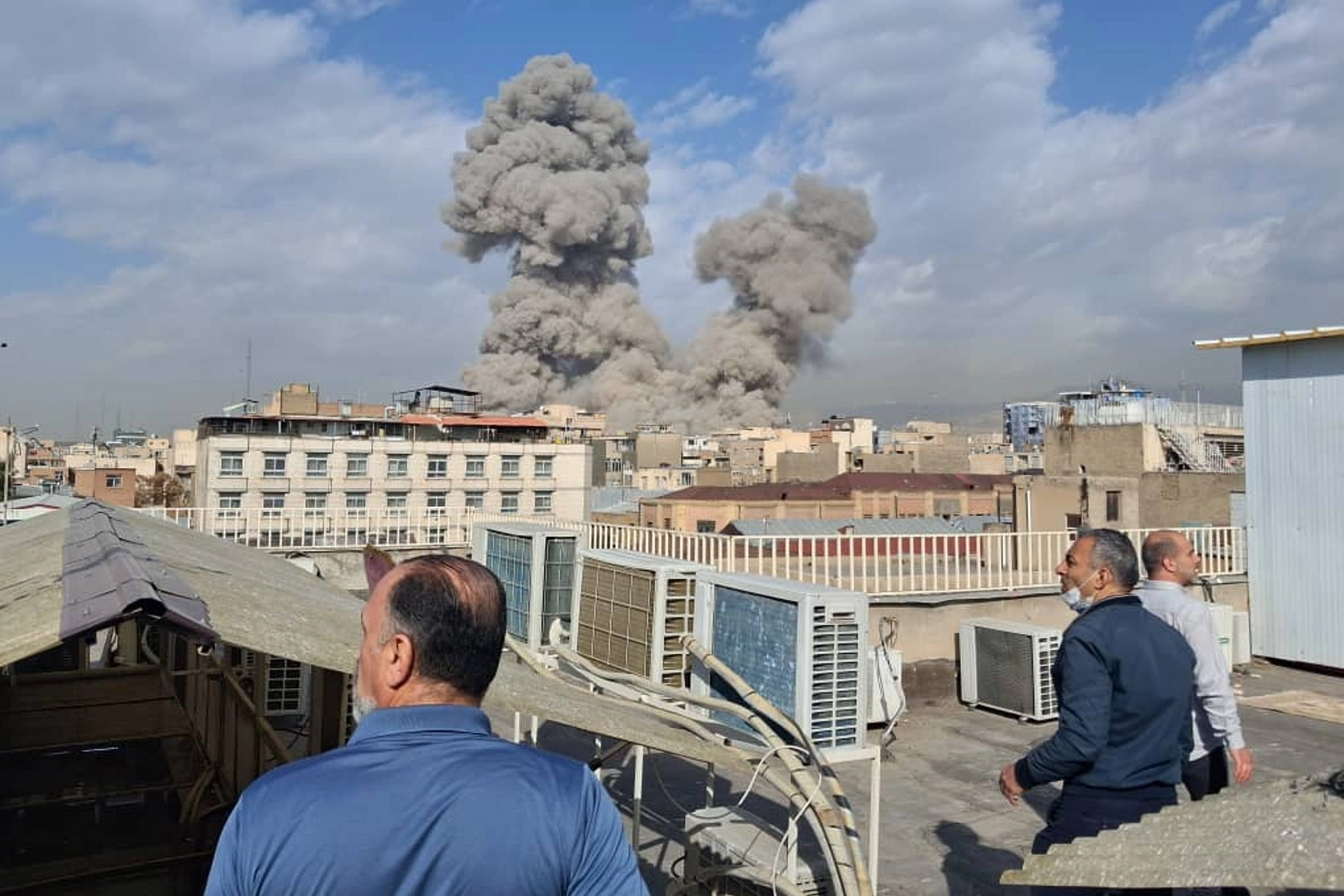
A senior Iranian official has claimed that more than 2,000 locations linked to the country’s power sector were targeted during the recent tensions involving Iran, Israel, and the United States. The strikes were described as part of a wider escalation that affected key infrastructure across several regions.
According to Mostafa Rajabi Mashhadi, who serves as Iran’s Deputy Energy Minister, the attacks focused on power plants, transmission lines, and related facilities. He stated that 12 workers from the power sector lost their lives during the incidents, highlighting the human cost of the conflict.
Officials said the main aim of the strikes was to disrupt essential electricity services and create pressure on daily life and industrial operations. Iran’s power network plays a vital role in supporting hospitals, businesses, and public services, making it a critical part of the national infrastructure.
Despite the reported scale of the damage, authorities claimed that electricity was restored quickly in most affected areas. Emergency teams and engineers were deployed to carry out rapid repairs, helping to prevent long-term outages.
Experts note that targeting energy infrastructure has become a common strategy in modern conflicts, as it can weaken economic activity and public morale without direct ground engagement.
The situation remains tense, with concerns about further escalation in the region. International observers continue to call for restraint and dialogue to avoid additional damage to civilian infrastructure and loss of life.
