
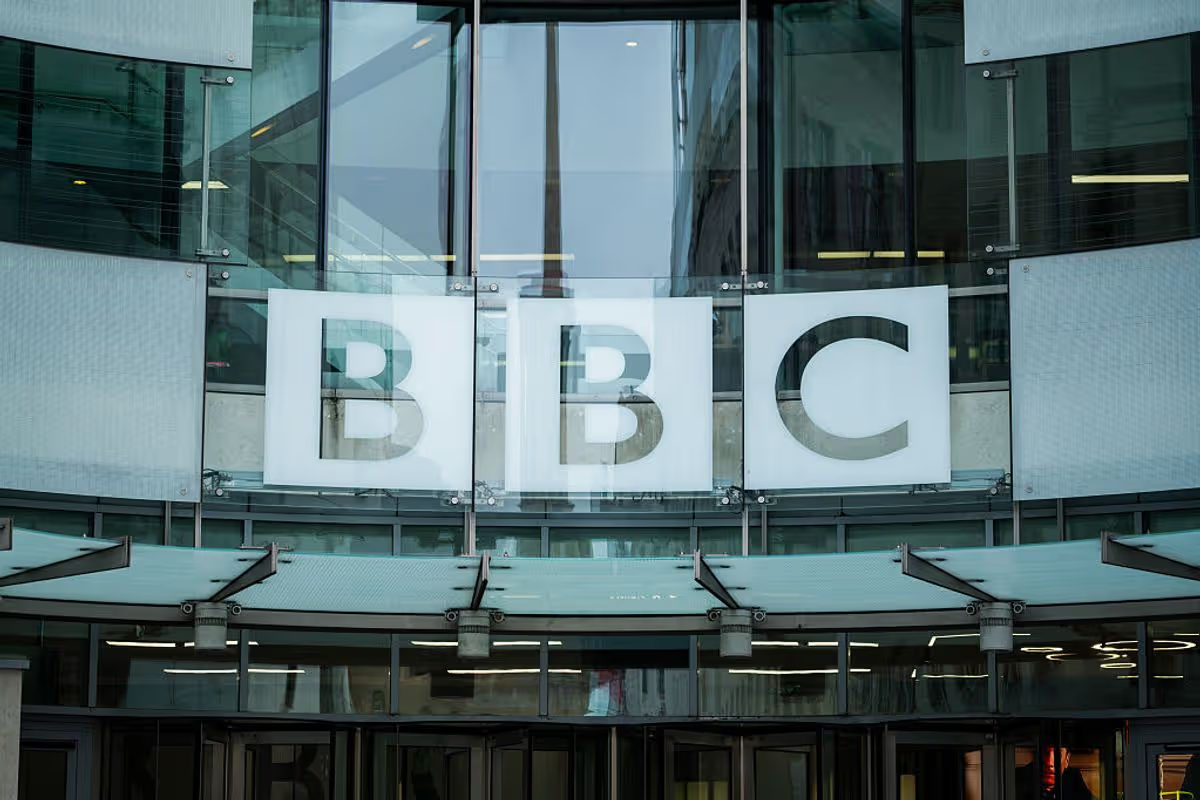
The BBC has announced plans to cut up to 2,000 jobs, nearly one in ten of its workforce, due to serious financial difficulties.
Interim Director-General Rhodri Talfan Davies informed staff on Wednesday, April 15, 2026, that the public broadcaster needs to reduce costs by £500 million (about $677 million) over the next two years. The BBC currently employs around 21,500 people, and the job cuts will affect between 1,800 and 2,000 positions.
The main reasons for these cuts include declining revenue from the TV licence fee, rising production costs, falling commercial income, and rapid changes in how people consume media due to digital platforms and artificial intelligence.
This will be the largest round of job cuts at the BBC in almost 15 years. The broadcaster aims to save about 10% of its annual budget by 2029. Most of the savings are expected to come in 2027 and 2028.
Rhodri Talfan Davies described the situation as difficult but necessary. He said the gap between the BBC’s income and spending is growing rapidly, and the organisation must act quickly to remain sustainable.
Media unions have strongly criticised the decision. They warned that such large-scale cuts could seriously affect the quality of BBC programmes and services for the public.
The BBC has said it will first offer voluntary redundancy schemes to reduce the impact on staff. More details about which departments will be affected are expected in the coming months.
This development reflects the growing financial challenges faced by traditional public broadcasters in a fast-changing digital world.
