
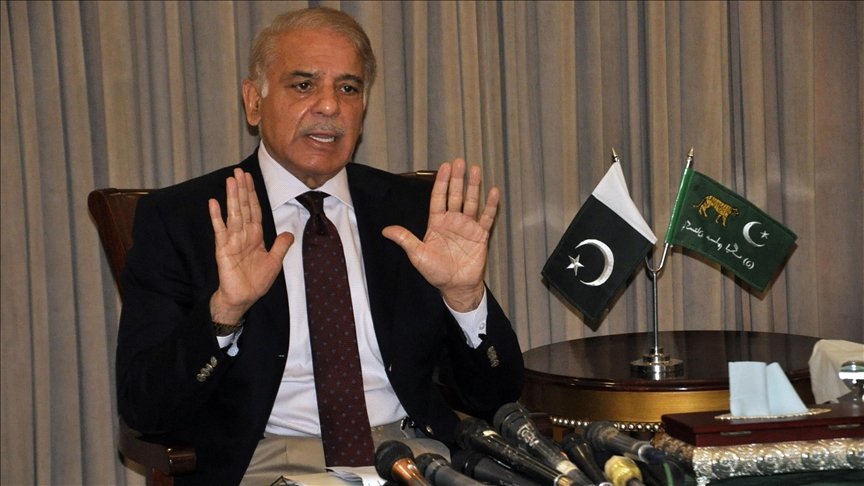
Prime Minister Shehbaz Sharif has said Pakistan’s weekly oil import bill has jumped to $800 million due to sharp rises in global fuel prices caused by the ongoing conflict in the Middle East.
Speaking at a federal cabinet meeting on Wednesday, the Prime Minister noted that before the crisis, the weekly oil bill was around $300 million. This means the cost has increased by nearly 167% in a short time. He described the surge as a major external shock to the economy.
The increase is mainly due to higher crude oil prices and disruptions in key supply routes, especially the Strait of Hormuz. This narrow waterway is vital for oil shipments from the Gulf. Pakistan imports most of its crude oil and petroleum products through this route, making the country highly vulnerable to regional tensions.
PM Shehbaz said fuel consumption has slightly declined in recent weeks, which has provided some relief. The government is closely monitoring the situation and holding consultations on possible measures, including subsidies, to ease the burden on people and the economy.
Despite the pressure on the import bill, the Prime Minister assured that Pakistan’s foreign reserves remain stable. He added that the country is continuing diplomatic efforts to support peace and stability in the region.
The sharp rise in oil costs is affecting transportation, industry, and agriculture. Higher fuel prices usually lead to increased inflation and higher costs for everyday goods. The government is expected to review petroleum prices again soon.
