
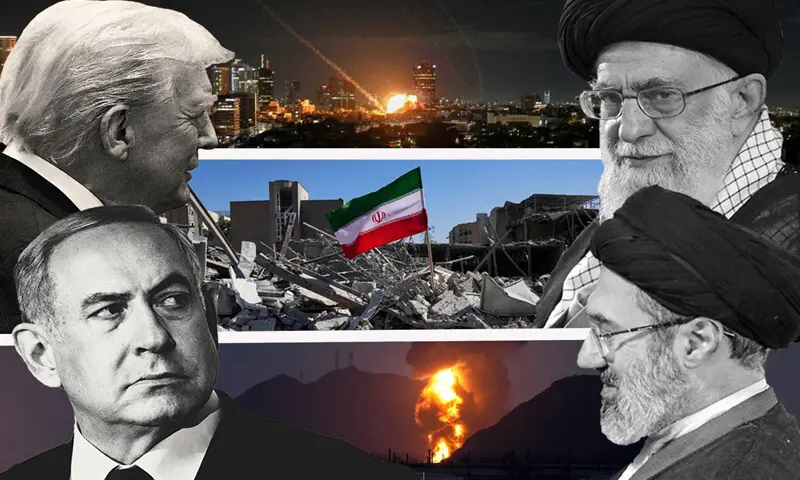
Iran is reviewing a US ceasefire plan, but has made it clear there are no direct talks with Washington. This statement from Iranian officials contradicts US President Donald Trump’s claim that Iranian leaders “want to make a deal so badly.”
Iran’s Foreign Minister Abbas Araghchi said the country received a 15-point proposal from the US through intermediaries, including Pakistan. While senior officials are studying it, he stressed that exchanging messages does not mean negotiations.
Iran has also rejected parts of the plan, calling it too demanding, and put forward its own five-point counterproposal. Tehran insists it will end the war only on its own terms.
President Trump has repeatedly said the US is making progress and that Iran is eager for peace. He claimed talks are happening and Iran fears admitting it publicly. Iranian leaders have strongly denied any direct or indirect negotiations, calling such reports false.
The conflict, now in its fourth week, continues to affect the world. Early hopes for a quick ceasefire caused stock markets to rise briefly and oil prices to fall. However, mixed signals from both sides have reduced optimism. Oil prices are climbing again, with Brent crude moving above $100–106 per barrel in recent days. Stock rallies are fading as investors worry about longer fighting.
The war has already caused serious economic and humanitarian problems. Higher oil costs raise fuel and transport prices globally. Businesses face disruption, inflation risks grow, and many people in the Middle East suffer from shortages and displacement.
For now, the gap between US and Iranian positions remains wide, leaving the region and global economy in uncertainty.
