
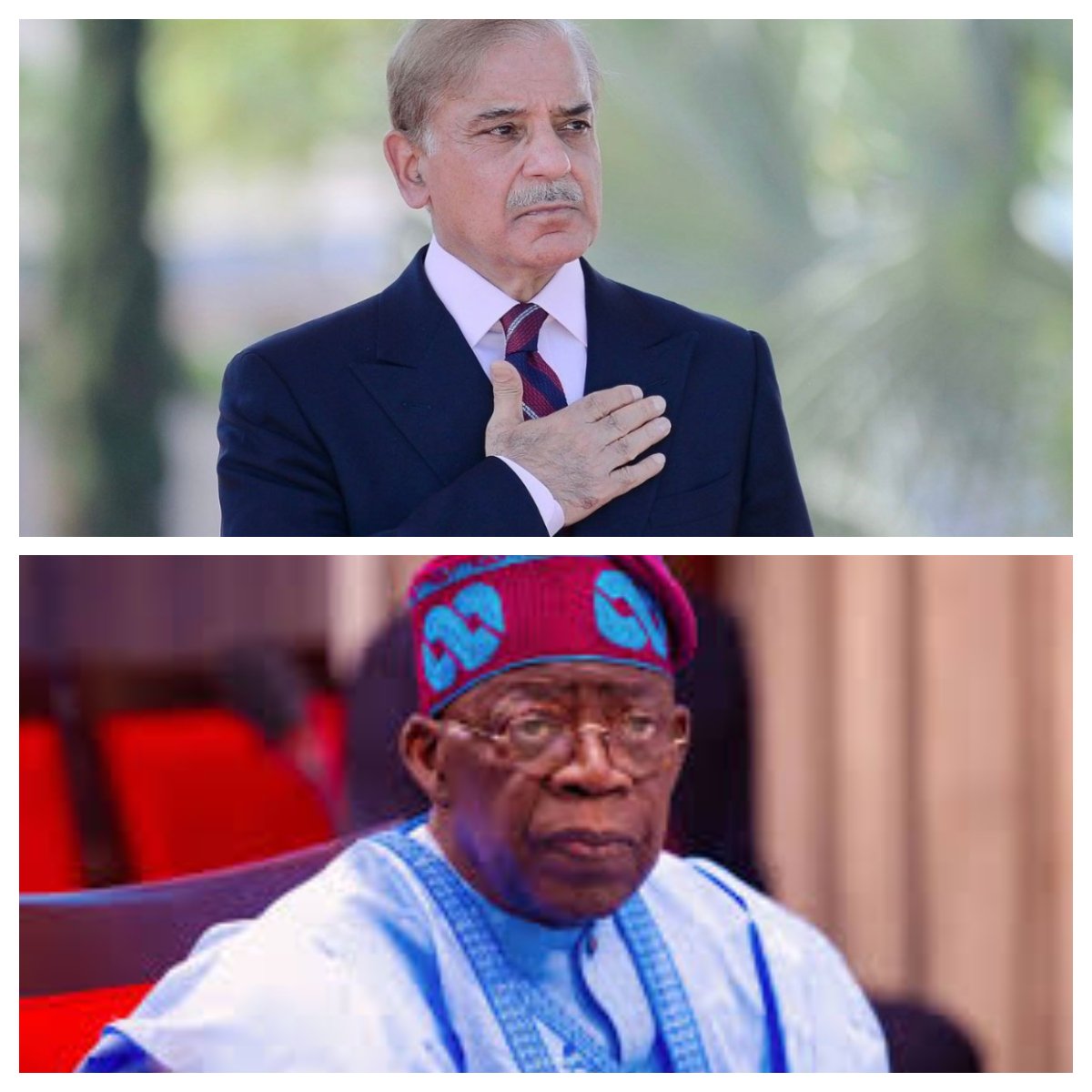
Pakistan and Nigeria have taken a significant step to combat corruption and financial crimes by signing a cooperation agreement between their anti-corruption agencies. The National Accountability Bureau (NAB) of Pakistan and the Economic and Financial Crimes Commission (EFCC) of Nigeria formalized the memorandum of understanding (MoU) during the 11th Conference of States Parties to the UN Convention against Corruption held in Doha.
The MoU was signed by NAB Chairman Lt Gen (retd) Nazir Ahmed and EFCC Executive Chairman Olanipekun Olukoyode, underlining both countries’ shared commitment to transparency, accountability, and the rule of law. The agreement seeks to strengthen collaboration in investigations, prosecutions, and intelligence sharing related to corruption and other financial crimes.
Through this partnership, Pakistan and Nigeria aim to improve joint investigative efforts, facilitate the exchange of expertise, and promote best practices in anti-corruption work. The MoU also focuses on enhancing capacity building, sharing legal and technical knowledge, and coordinating actions against transnational corruption networks.
Officials emphasized that corruption is a global challenge requiring strong international cooperation. By working together, Pakistan and Nigeria hope to tackle cases that cross borders, recover illicit assets, and ensure that perpetrators are held accountable.
The agreement reflects growing international efforts to combat corruption and demonstrates both nations’ dedication to strengthening governance and promoting integrity in public institutions. Analysts say this collaboration could serve as a model for other countries seeking effective bilateral cooperation in addressing financial crimes and fostering a culture of accountability.
This MoU marks a key milestone in Pakistan-Nigeria relations and reinforces their joint commitment to combating corruption on a global scale.
