
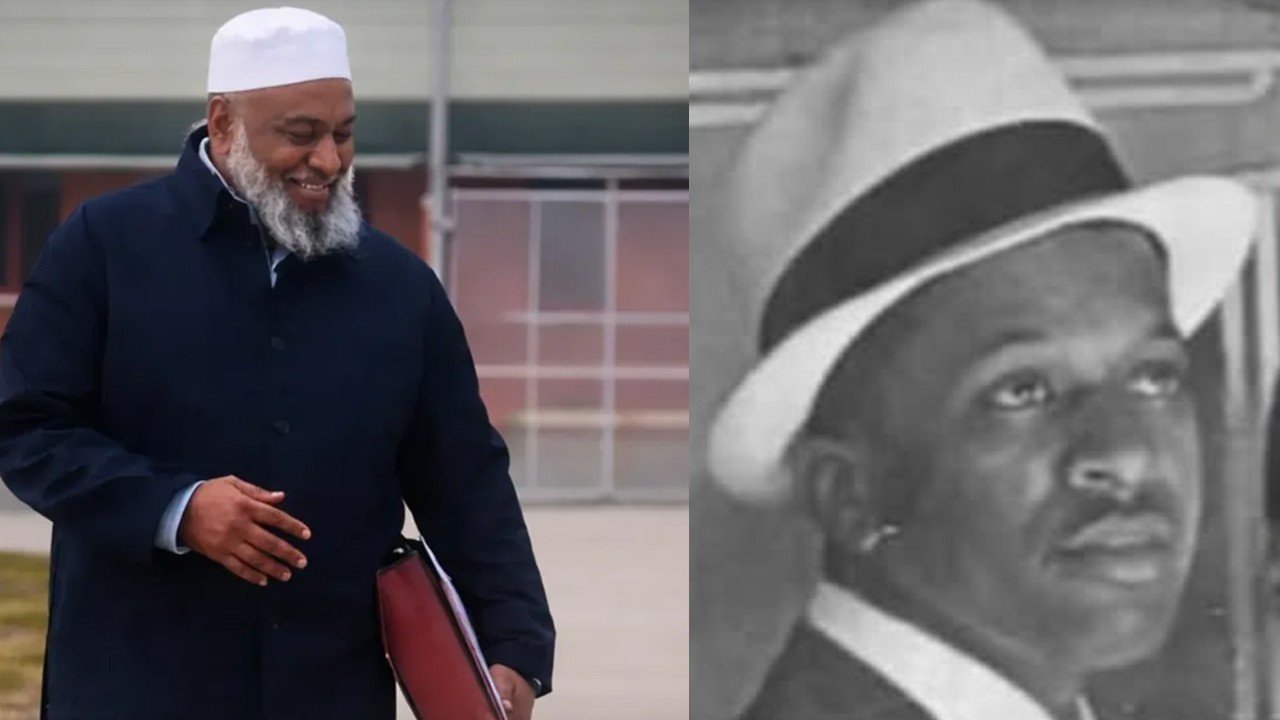
Lonnie Dawson, the former leader of the Philadelphia Black Mafia, has been released after serving 43 years in prison following a successful petition under Pennsylvania’s Post Conviction Relief Act (PCRA).
During his decades behind bars, Dawson underwent a remarkable personal transformation, embracing Islam and taking the name Abdul Salam.
Shortly after his release, a video surfaced showing Abdul Salam kneeling in prayer outside the prison gates, an image that quickly went viral on social media.
The moment symbolized not only his spiritual awakening but also the deep personal reflection he experienced during his long incarceration. Many viewers expressed admiration for his commitment to faith and redemption.
Legal experts involved in Dawson’s release described him as grateful for the opportunity to spend the remainder of his life with dignity and peace. His journey illustrates how personal faith and introspection can lead to profound change, even after decades of a challenging and violent past.
Lawyers emphasized that his rehabilitation and embrace of religion highlight the potential for human transformation, regardless of circumstances.
Abdul Salam’s story has sparked discussions about the role of spiritual and moral guidance in rehabilitation within the prison system. Advocates say such transformations can provide hope for inmates seeking redemption and personal growth.
While his past crimes cannot be overlooked, Dawson’s post-prison life reflects a focus on accountability, faith, and the pursuit of inner peace.
As he begins this new chapter, Abdul Salam serves as a powerful example of how personal conviction and spiritual commitment can redefine life after decades of hardship.
