
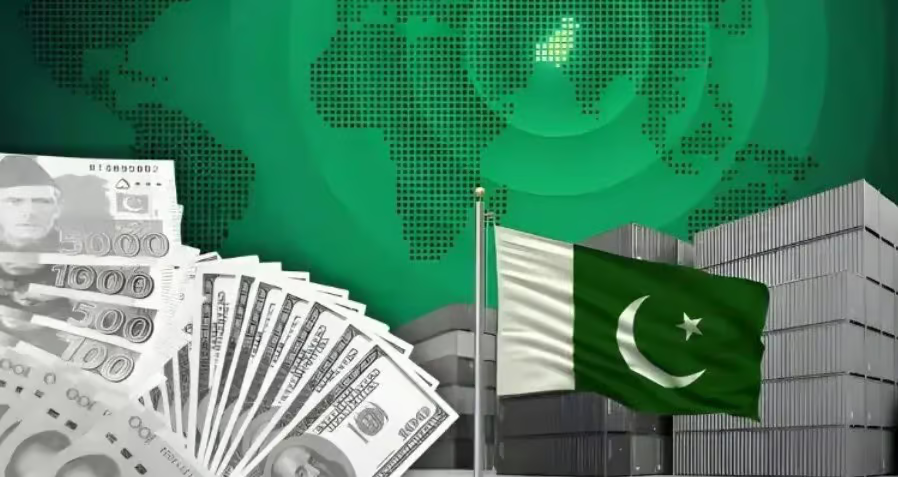
Pakistan’s total public debt has reached close to Rs 80,000 billion, marking the highest level in the country’s history. The growing debt reflects the difficult economic situation the country has been facing in recent years. Experts say the rising debt puts pressure on government finances and limits the space for development spending.
According to recent economic data, Pakistan’s public debt includes both domestic and external borrowing. Domestic debt is taken from local banks and financial institutions, while external debt comes from foreign lenders, including international financial institutions and friendly countries. A large share of the government’s budget is now used to pay interest on these loans.
Economists explain that several factors have pushed the debt higher. These include a weak tax collection system, increasing government expenses, and the depreciation of the Pakistani rupee. When the rupee loses value, the cost of repaying foreign loans rises automatically, which increases the overall debt burden.
The government has also relied on borrowing to manage fiscal deficits and support essential spending. However, experts say that continuous borrowing without strong economic growth can create long term financial pressure.
Financial analysts believe Pakistan needs strong economic reforms to control the debt level. Improving tax collection, increasing exports, and reducing unnecessary spending are often suggested as key steps.
If these measures are implemented effectively, economists say Pakistan can gradually stabilize its finances and reduce the pressure created by the rising national debt.
