
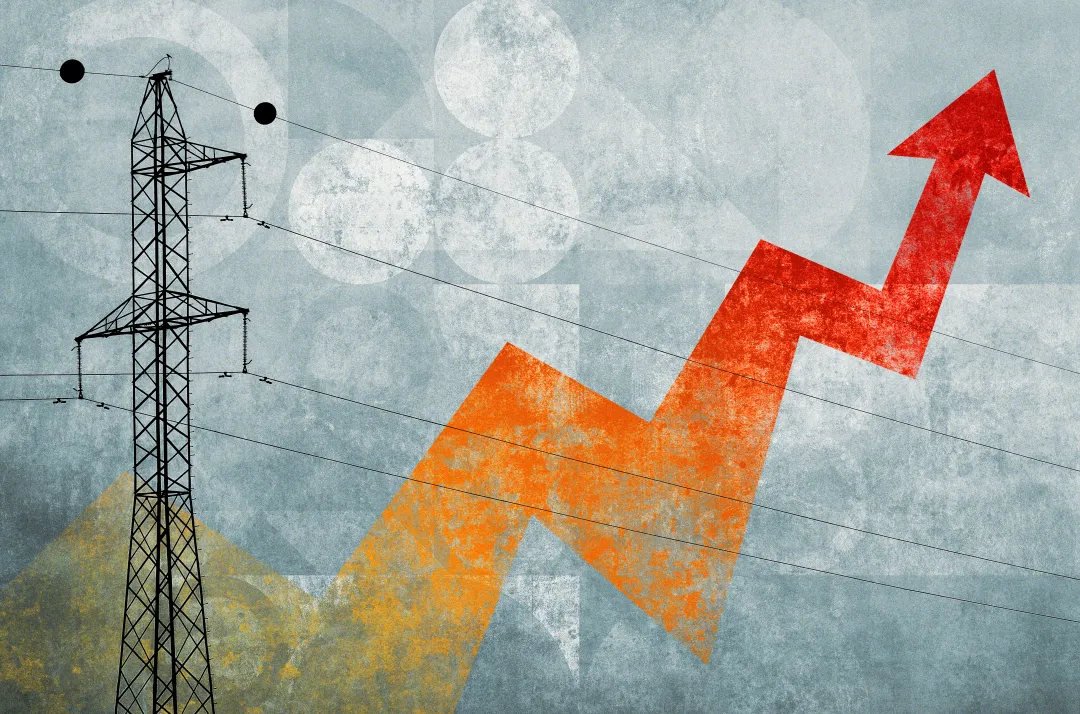
Pakistan has the highest electricity prices in South Asia. Consumers pay around Rs58 per unit. This is more than double the rates in India and Bangladesh. High power costs are hurting the economy badly.
Expensive electricity slows down GDP growth, increases poverty, and makes it hard for industries to compete. Factories face higher production costs, which reduces exports and jobs. Many businesses struggle to survive.
Several reasons cause this problem. The 2015 Power Generation Policy focused on quick solutions but led to heavy dependence on imported fuel. This makes costs rise when global prices go up. Circular debt in the power sector has crossed trillions of rupees due to unpaid bills and losses. Inefficient grid management and high transmission losses add to the burden.
Good news is coming from the ground. Many people and industries are shifting to solar power. Rooftop solar installations are rising fast across the country. This reduces dependence on the expensive national grid. Experts say Pakistan has seen one of the fastest solar adoptions in the world.
Experts believe that moving to a solar-focused system and modernizing the grid can lower costs greatly. This change can bring economic stability and create new jobs. The government and people must work together for cheaper and cleaner energy.
