
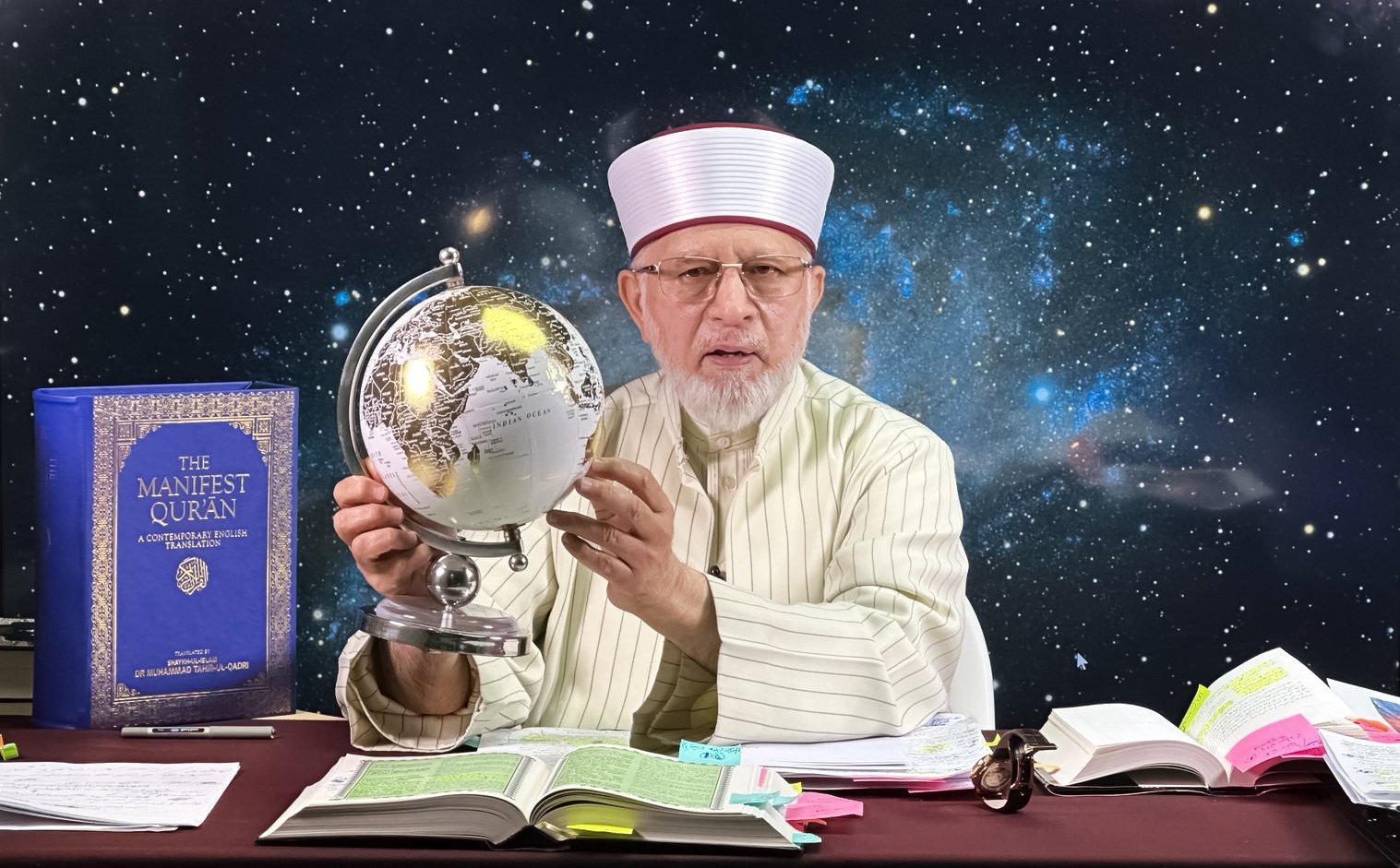
The British Museum has added The Glorious Quran, the English translation by Dr. Tahir-ul-Qadri, to its renowned Islamic World Gallery, an honor celebrated across the globe. This milestone marks a significant achievement for modern Islamic scholarship, recognizing decades of Dr. Qadri’s research, linguistic expertise, and efforts to make Quranic teachings accessible to readers worldwide.
Dr. Qadri’s translation is known for its clear language, balanced interpretation, and respect for classical scholarship. By placing his work alongside centuries-old manuscripts, the British Museum acknowledges that meaningful contributions to Islamic studies continue to emerge even in the modern era. The inclusion also shows how contemporary scholars play an important role in preserving and explaining Islamic heritage for new generations.
For many, this recognition is much more than a personal achievement, it reflects the growing global appreciation for high-quality Islamic research produced in South Asia. From Lahore to London, Dr. Qadri’s work bridges geographical and cultural gaps, offering readers a translation that is both academically reliable and spiritually enriching.
The display of The Glorious Quran also contributes to interfaith understanding. Visitors from different backgrounds can now explore a modern interpretation of the Quran that emphasizes clarity, compassion, and universal moral values. This helps encourage open dialogue and promotes a deeper appreciation of Islamic teachings beyond stereotypes.
Overall, the British Museum’s decision highlights the ongoing relevance of contemporary scholarship. It celebrates Dr. Tahir-ul-Qadri’s lifelong dedication and reinforces the importance of accessible religious literature in fostering global understanding and respect.
