
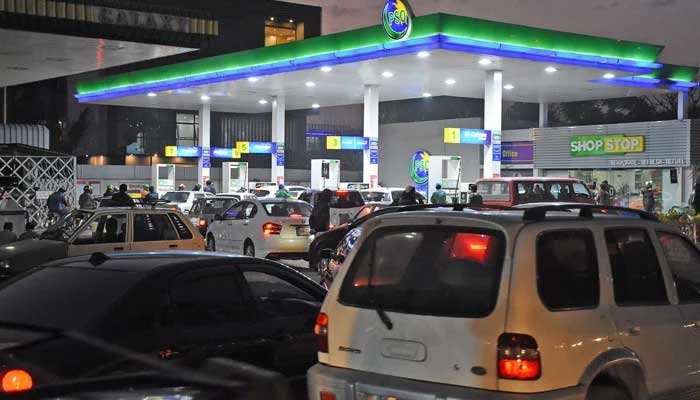
Petrol prices in Pakistan have climbed to around Rs321 per litre, making fuel in the country one of the most expensive in the region. The rise in prices has added pressure on households and businesses already dealing with high living costs.
The increase is largely linked to higher international oil prices and growing tensions in the Middle East, which plays a major role in global energy supply. When crude oil prices rise in international markets, countries that rely on imported fuel often experience higher petrol prices at home.
In contrast, several oil producing nations such as Qatar, Saudi Arabia, and United Arab Emirates offer much cheaper fuel. These countries produce large amounts of oil domestically and often provide subsidies that keep petrol prices lower for consumers.
Pakistan, however, imports a large share of its petroleum products. This makes the country more vulnerable to global price changes and currency fluctuations. When the value of the Pakistani rupee falls against the US dollar, the cost of importing oil also increases.
Economists say expensive fuel can affect the entire economy. Higher petrol prices usually increase transportation costs, which then raise the prices of food, goods, and other services.
Experts warn that if global oil prices continue to rise, petrol costs in Pakistan may remain high, which could further increase inflation and financial pressure on consumers.
