
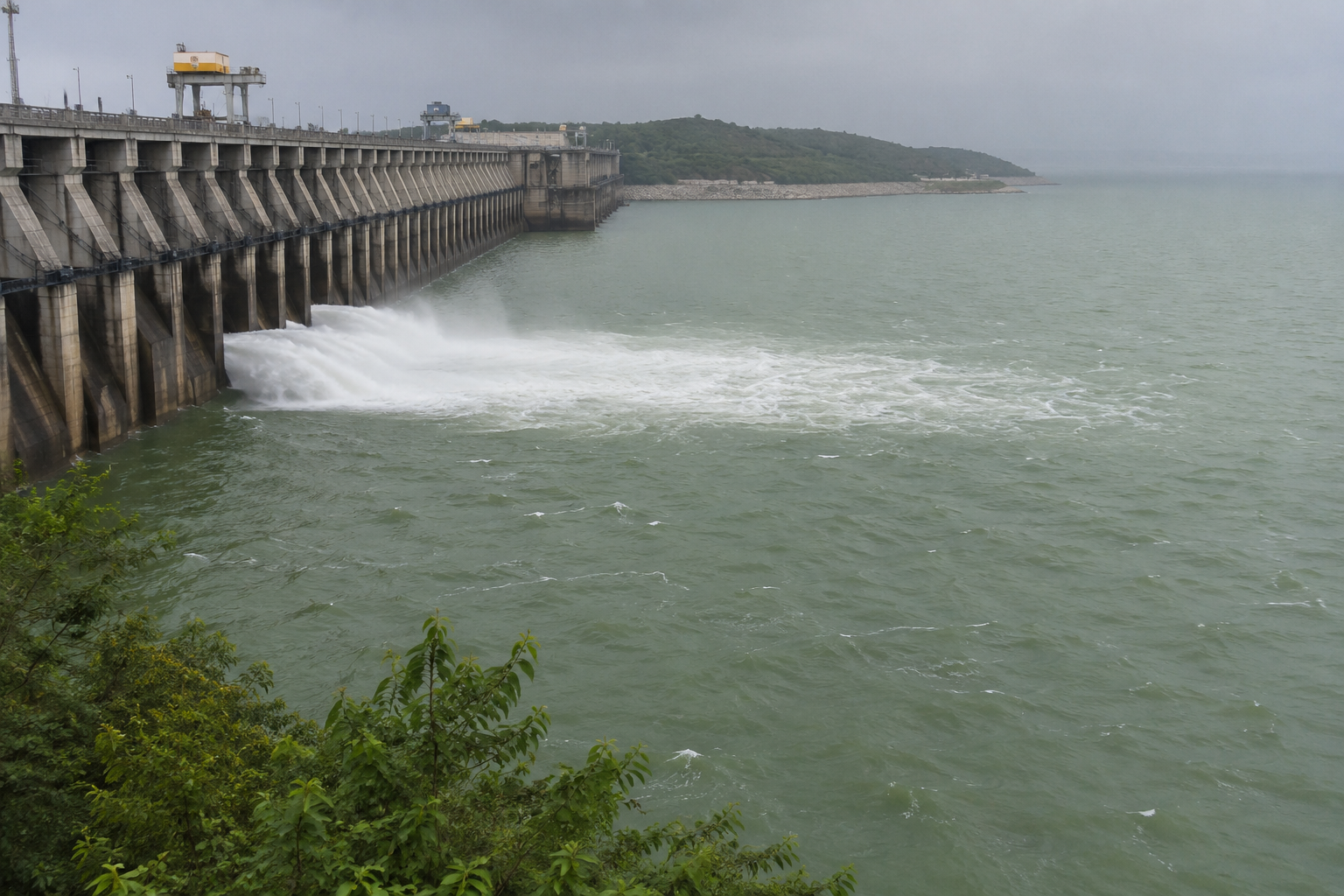
Heavy monsoon rains across northern Pakistan have significantly increased water levels at Tarbela Dam, with officials confirming that the reservoir is now 82 feet above its dead level. The sharp rise has provided a major boost to the country’s water reserves and is expected to improve irrigation supplies and hydropower generation in the coming weeks.
According to water authorities, the recent spell of rainfall in the dam’s catchment areas has led to a steady inflow of water, raising the reservoir to a much healthier level compared to the start of the season. Officials are closely monitoring inflows and outflows to ensure safe reservoir management while maximizing water storage.
The increase in water storage comes as welcome news for farmers, who rely on canal irrigation during the summer cropping season. Higher water availability is expected to benefit agricultural activities, particularly in Punjab and Sindh, where demand for irrigation remains high.
The improved water level is also expected to enhance electricity generation at the Tarbela Hydropower Station. Increased hydropower production can help reduce pressure on the national power grid and lower dependence on more expensive fuel-based electricity generation.
Experts say the rise highlights the importance of seasonal monsoon rainfall in replenishing Pakistan’s major reservoirs. However, they also cautioned that continued monitoring is necessary, as intense rainfall can rapidly increase river flows and create flood risks in downstream areas.
Authorities have assured that the dam is operating within safe limits and that water releases will be managed according to operational requirements and downstream conditions. Residents living near rivers have also been advised to remain alert during the ongoing monsoon season and follow official advisories.
The latest increase in Tarbela Dam’s water level is being viewed as a positive development for Pakistan’s water security, agriculture, and energy sector as the country continues to benefit from the ongoing monsoon rains.
