
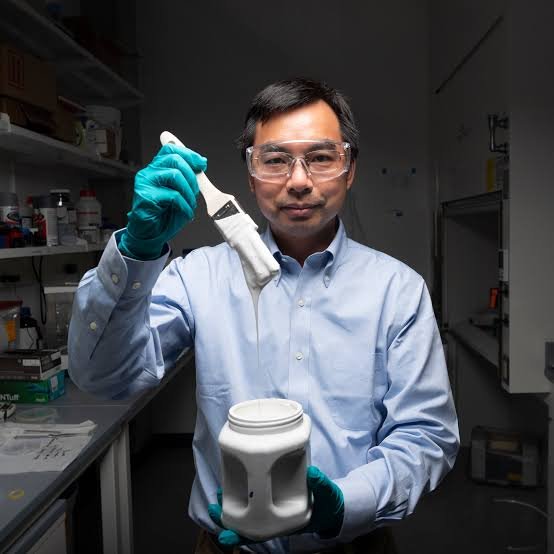
Chinese scientists have developed a new super-cooling paint designed to reduce heat in buildings without electricity or traditional cooling agents.
According to a report by the South China Morning Post, China has begun mass production of the coating after it underwent six months of real-world testing at a petrochemical plant in Hainan. The material uses radiative cooling technology, allowing surfaces to reflect sunlight and release heat into the atmosphere.
Tests reportedly showed that the coating could reduce wall temperatures by as much as 25°C during summer conditions. The technology could potentially be used on homes, public buildings and other infrastructure to reduce the amount of heat absorbed by structures.
However, the 25°C figure refers to the reduction in the wall temperature, not that the paint can automatically maintain every room at 25°C. Research on radiative-cooling paints has found that their effect on indoor air temperature can be more modest and depends on factors such as building design, weather and climate. One 2026 study of a real factory building found an average indoor temperature reduction of about 0.95°C after applying radiative-cooling paint.
The technology could nevertheless help lower cooling demand and reduce electricity consumption during hot weather. Researchers worldwide are exploring similar coatings as a way to reduce dependence on conventional air conditioning.
With China now moving the super-coating toward mass production, the technology could eventually become an important option for keeping buildings cooler while using less energy.
