
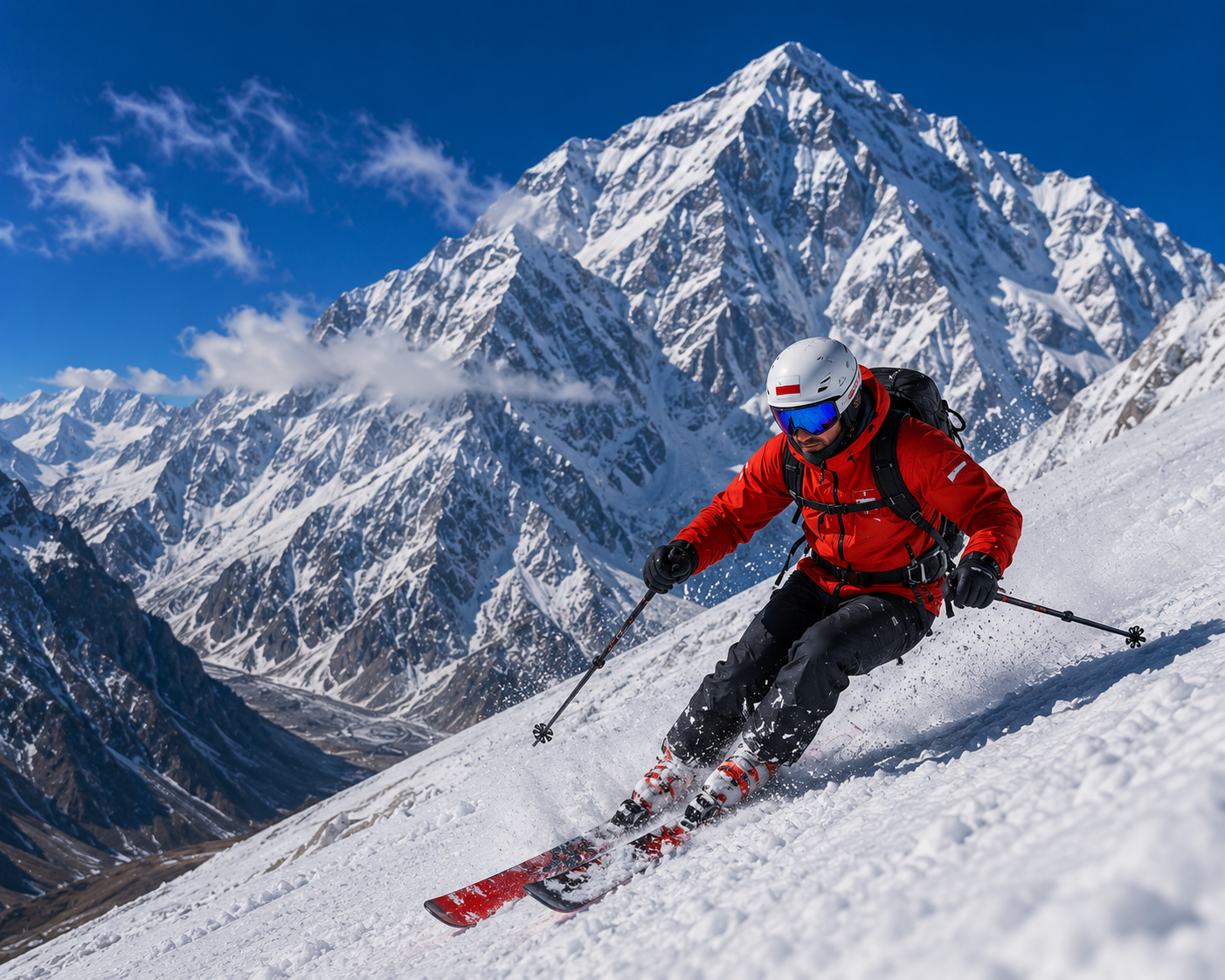
The climber reached the summit in severe weather and then skied down the mountain’s dangerous slopes, relying only on skill, endurance, and careful preparation. Nanga Parbat, known as the “Killer Mountain,” is the ninth-highest peak in the world and one of the most feared by climbers because of its steep faces and unpredictable conditions.
The feat has drawn praise from the global climbing community and adventure fans, who say it demonstrates extraordinary courage and technical ability. It has also brought fresh international attention to Pakistan’s mountain ranges, which continue to attract elite climbers, skiers, and explorers from around the world.
The historic descent adds another unforgettable chapter to Nanga Parbat’s legacy and underscores the limits of human determination at extreme altitude. For Pakistan, the achievement is another reminder of the country’s unmatched potential for world-class adventure tourism.
Mountaineering experts note that skiing from an 8,000-meter peak without bottled oxygen is exceptionally rare because the air is too thin for normal physical performance and the margin for error is extremely small. Every movement at that altitude demands precision, stamina, and mental strength. The successful descent is expected to inspire future expeditions and further strengthen Pakistan’s image as a premier destination for serious alpine adventure. It also celebrates the spirit of exploration and the enduring appeal of one of the Himalayas’ most iconic and formidable peaks to climbers worldwide.
A Polish mountaineer has made headlines after completing a historic ski descent of Pakistan’s 8,126-meter Nanga Parbat without using supplemental oxygen. The achievement is being hailed as one of the most difficult and daring feats ever attempted in high-altitude mountaineering.
The climber reached the summit in severe weather and then skied down the mountain’s dangerous slopes, relying only on skill, endurance, and careful preparation. Nanga Parbat, known as the “Killer Mountain,” is the ninth-highest peak in the world and one of the most feared by climbers because of its steep faces and unpredictable conditions.
The feat has drawn praise from the global climbing community and adventure fans, who say it demonstrates extraordinary courage and technical ability. It has also brought fresh international attention to Pakistan’s mountain ranges, which continue to attract elite climbers, skiers, and explorers from around the world.
The historic descent adds another unforgettable chapter to Nanga Parbat’s legacy and underscores the limits of human determination at extreme altitude. For Pakistan, the achievement is another reminder of the country’s unmatched potential for world-class adventure tourism.
Mountaineering experts note that skiing from an 8,000-meter peak without bottled oxygen is exceptionally rare because the air is too thin for normal physical performance and the margin for error is extremely small.
Every movement at that altitude demands precision, stamina, and mental strength. The successful descent is expected to inspire future expeditions and further strengthen Pakistan’s image as a premier destination for serious alpine adventure. It also celebrates the spirit of exploration and the enduring appeal of one of the Himalayas’ most iconic and formidable peaks to climbers worldwide.
