
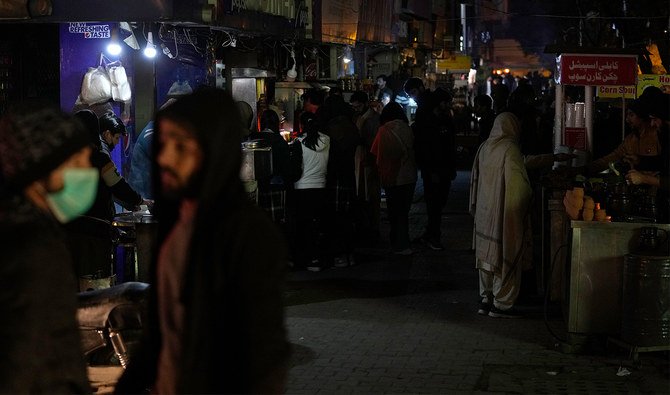
More than 10.8 million people in Pakistan still do not have access to electricity, according to international energy estimates.
While power coverage has improved in many parts of the country, millions of families continue to live without a reliable electricity connection.
For people living in remote and rural areas, life without electricity remains a daily challenge. Many households rely on candles, kerosene lamps, or small solar systems for light after sunset.
Students struggle to study at night, health facilities face difficulties providing essential services, and small businesses have fewer opportunities to grow.
Pakistan has expanded its power network in recent years, but reaching every community is still difficult because of high costs and challenging terrain. As a result, many villages remain outside the national electricity grid.
Experts believe renewable energy, especially solar power, can help bring electricity to these underserved areas more quickly.
Expanding access to affordable and reliable energy would improve education, healthcare, employment, and overall living standards for millions of Pakistanis.
Although progress has been made, the latest figures show that millions of people are still living in darkness, making universal electricity access one of Pakistan’s key development challenges.
