
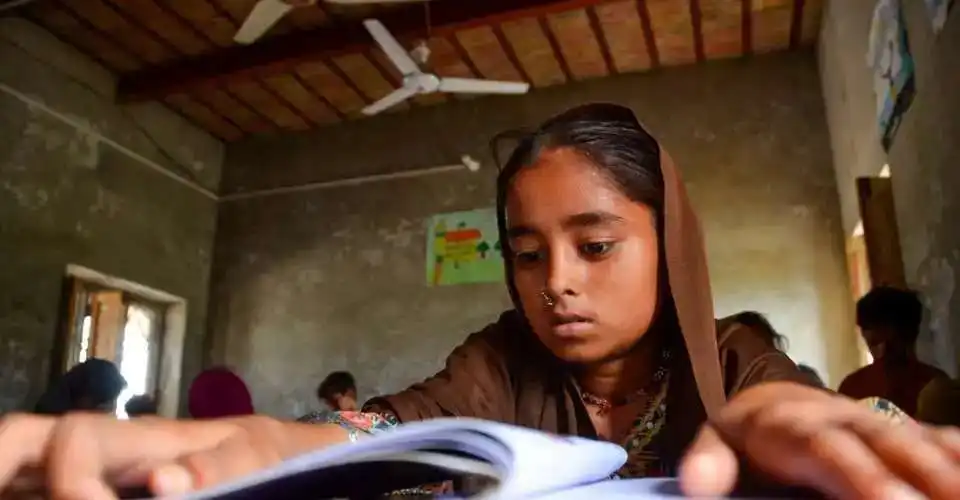
The Punjab government has taken a big step towards inclusive education by approving a separate religious curriculum for non-Muslim students for the first time. Officials announced the decision on Sunday, saying it will allow children from minority communities to study their own religion instead of Islamic studies.
Under the new policy, Christian students will learn Christian Education, Hindu students will study Hinduism, and students from other faiths, such as Sikhism, will get lessons according to their beliefs. This change aims to respect religious diversity and give equal learning opportunities to all students in public schools across the province.
Previously, non-Muslim students were often required to study Ethics or sit through Islamic studies classes, which created difficulties for many families. The new curriculum was developed by the Punjab Education, Curriculum, Training and Assessment Authority (PECTAA) in consultation with religious scholars and community leaders to make sure the content is accurate and sensitive.
The materials will be introduced in phases starting from the new academic session. Schools will receive updated books and guidelines to implement the program smoothly. Education authorities believe this move will promote harmony, reduce discrimination, and strengthen the constitutional rights of religious minorities in Punjab.
This historic decision has been welcomed by minority communities and education experts as a positive development for building an inclusive society in Pakistan.
